Song Meaning
The narrator draws a hard line, refusing to engage with conventional forms of expression, specifically rejecting "algebra" and "alphabet." This isn't just a simple refusal; it's a declaration of independence from structured, perhaps predictable, communication. The insistence on not singing "anything" or "hilarious" further emphasizes a desire to break free from expected performances and emotional tones, suggesting a need for a more authentic or personal mode of being.
The core tension lies in this radical rejection of established systems. The narrator isn't just saying no to singing; they're pushing back against the very idea of being taught or performing according to external rules. This stance creates a palpable sense of defiance, a quiet but firm resistance to conformity.
The most striking element is the shift from vocal refusal to a simple, almost primal sound: "As I hum / I hum aha aha." This is where the narrator finds their own voice, not in words or melodies, but in a pure, unadulterated vocalization. It's a move from intellectual or performative expression to a more instinctual, perhaps even joyful, expression of self.
This deliberate dismantling of expected song structure and lyrical content makes the piece resonate. By stripping away the familiar, the lyrics force the listener to consider what remains when all the learned patterns are gone. The final "aha aha" suggests a moment of personal discovery or simple contentment, found not in singing lessons, but in the freedom of unscripted sound.
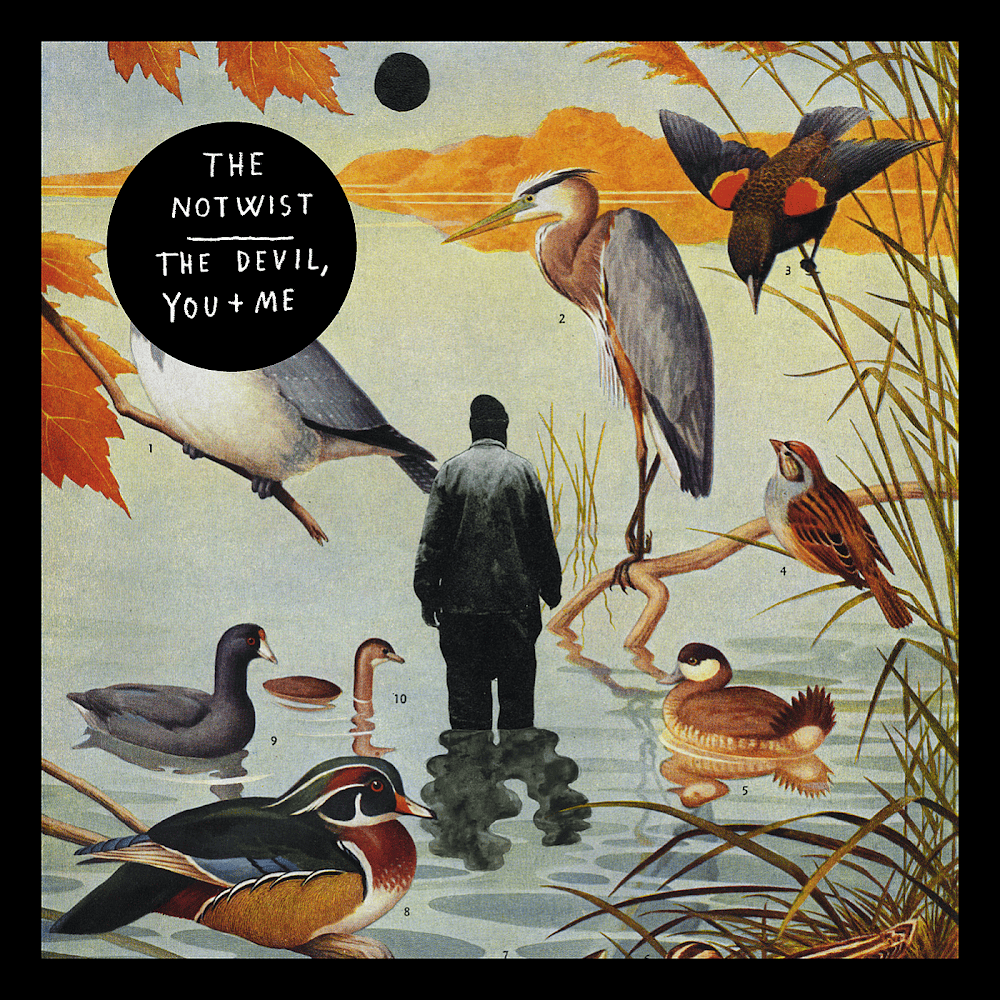
 View Artist