Song Meaning
The lyrics paint a stark picture of economic disparity, contrasting the effortless success of the rich with the exploitative labor of the poor. The rich man's day is spent "out in the sun," seemingly free and guided by "figures in the morning paper," suggesting a life of privilege and detached observation. This ease is directly juxtaposed with the narrator's experience, where their "sweat" is merely "the oil in his machine," a dehumanizing force powering another's success.
The central tension lies in the cyclical nature of poverty and exploitation. The narrator's labor, their very being ("eyelid of his dreams"), fuels the rich man's prosperity, yet the reward is meager: "The poor man's pound is all you get." This small, insufficient sum is presented as a dead end, "No matter what you try, it's dead," implying that effort within this system yields no real progress or escape.
The lyrics highlight a twisted interpretation of morality, where the rich man's "ten commandments" are inverted to serve his own gain: "Use your neighbours / Love their labour." This is a cynical perversion of communal values, forcing the exploited to internalize a similar directive: "Love your neighbours." The narrator, having achieved a basic level of literacy ("learned to write your name"), is then compelled to "sign these papers," further entrenching them in this exploitative cycle. The repetition of "Love your neighbours" at the end, after the narrator has been shown to be used and underpaid, lands with a heavy, ironic weight, suggesting a forced, hollow compliance.
This piece is effective because it uses sharp, almost brutal imagery to expose the mechanics of exploitation. The contrast between the "sun" and the "oil in his machine," and the chilling redefinition of commandments, creates a powerful sense of injustice. The final command to "Love your neighbours" becomes a bitter punchline, underscoring the systemic oppression that dictates even the emotional and social directives of the working poor.
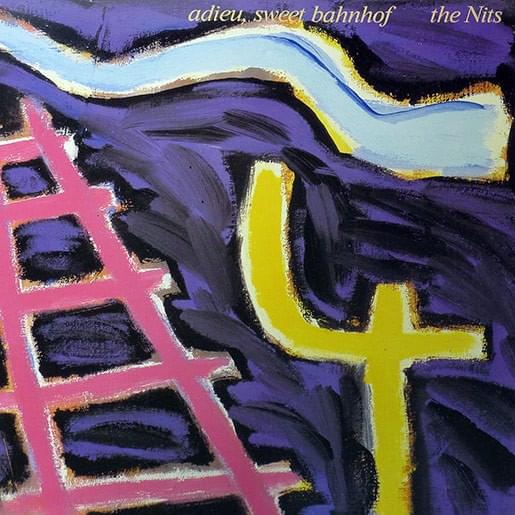
 View Artist