Song Meaning
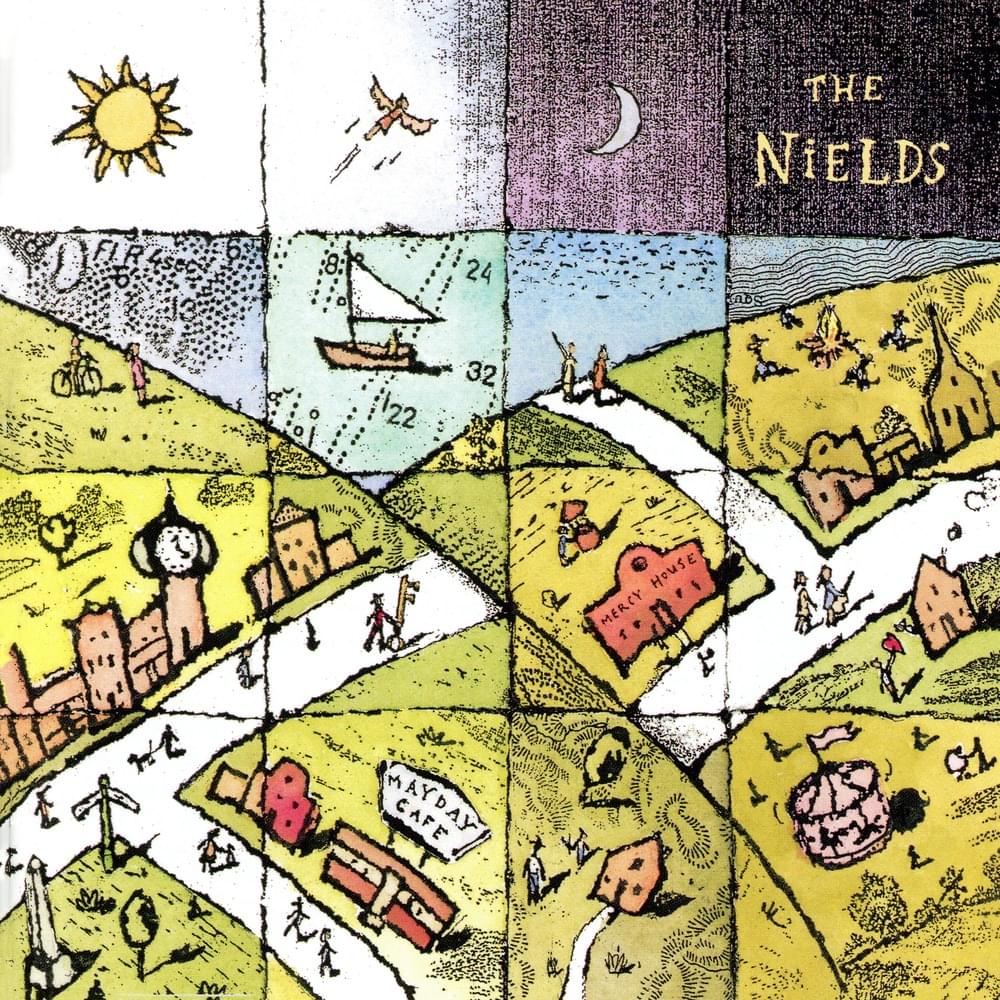
The lyrics paint a picture of a recurring, almost ritualistic return to a place called "Mercy House." The repeated plea, "Do you think you could take us in?" suggests a desperate need for refuge, a place where the inhabitants are welcomed despite their past experiences. This isn't a one-time visit; the phrase "Over and over again" emphasizes a cyclical pattern of seeking solace and perhaps absolution.
There's a palpable tension between the need for shelter and the underlying motivation of pride. The narrator admits, "But just for the sake of our pride," implying that their return isn't purely about vulnerability but also about maintaining a certain self-image. Mercy House acts as a caretaker, mending worn-out clothes, a metaphor for patching up the damage done to their lives, and then encouraging them to face the world again, suggesting a temporary fix rather than a permanent solution.
The introduction of "Eleos Dojo" and the insistent "Come home" chant shifts the tone, introducing a sense of urgency and perhaps a more spiritual or disciplined aspect to this refuge. "Eleos" is Greek for mercy, linking directly to the "Mercy House," while "Dojo" implies a place of training or practice. This suggests that Mercy House is not just a passive shelter but an active space for healing and preparation.
The final stanza reveals a deeper descent, "Down to the bottom of her well," indicating that the refuge has also become a place of profound vulnerability or even despair. Yet, Mercy House's response is not to condemn but to encourage, framing their struggles as potential narratives: "Oh, but think of the stories you will tell!" This highlights the complex nature of the house – it offers safety but also prompts reflection and the eventual retelling of hardship, turning pain into a form of wisdom or testimony.
 View Artist