Song Meaning
The lyrics paint a stark picture of a late-night, desperate situation, immediately grounding us in a scene of disarray. The narrator arrives at a place to stop, a refuge of sorts, at a late hour, admitting a forgetfulness that seems less about memory and more about willful ignorance. The dominant image is visceral: "tending to the blood on the floor," suggesting a recent, violent event that demands immediate, albeit grim, attention. This sets a tone of hushed panic and consequence.
The central tension arises from a profound crisis of trust and a shared secret. Questions like "Who would you save?" and "Do you suppose that they're on to us?" reveal a deep-seated paranoia and a fear of exposure. The narrator is clearly grappling with a dangerous situation, one that involves incriminating evidence – "bury it deep," "digging a grave." The plea to the other person, "You're the only evidence I want to keep," is a complex statement, implying a desperate reliance on this individual while simultaneously framing them as the sole remaining witness to whatever has transpired.
The most striking aspect is the narrator's internal conflict and escalating desperation. The shift from seeking solace to demanding action is palpable. The repeated questions, "And how can you sleep?" and "How can I trust?" highlight a growing chasm between the narrator's frantic state and the other person's apparent calm or inaction. This leads to a decisive, self-reliant turn: "Take matters into my own hands." The final lines, "See what you've done? / You've been a fool and a fragile one / And now I have to lose you too," deliver a devastating blow, indicating that the other person's perceived weakness or failure has led to their own downfall and the narrator's ultimate isolation.
This lyrical narrative is effective because it masterfully builds suspense and emotional weight through its stark imagery and direct, urgent language. The juxtaposition of the mundane (driving, a place to stop) with the horrific (blood on the floor) creates an unsettling atmosphere. The raw, accusatory tone in the latter half, especially the final lines, delivers a powerful emotional punch, making the listener feel the weight of betrayal and irreversible loss. The writing forces us to confront the grim aftermath of a shared, terrible act and the painful consequences of broken trust.
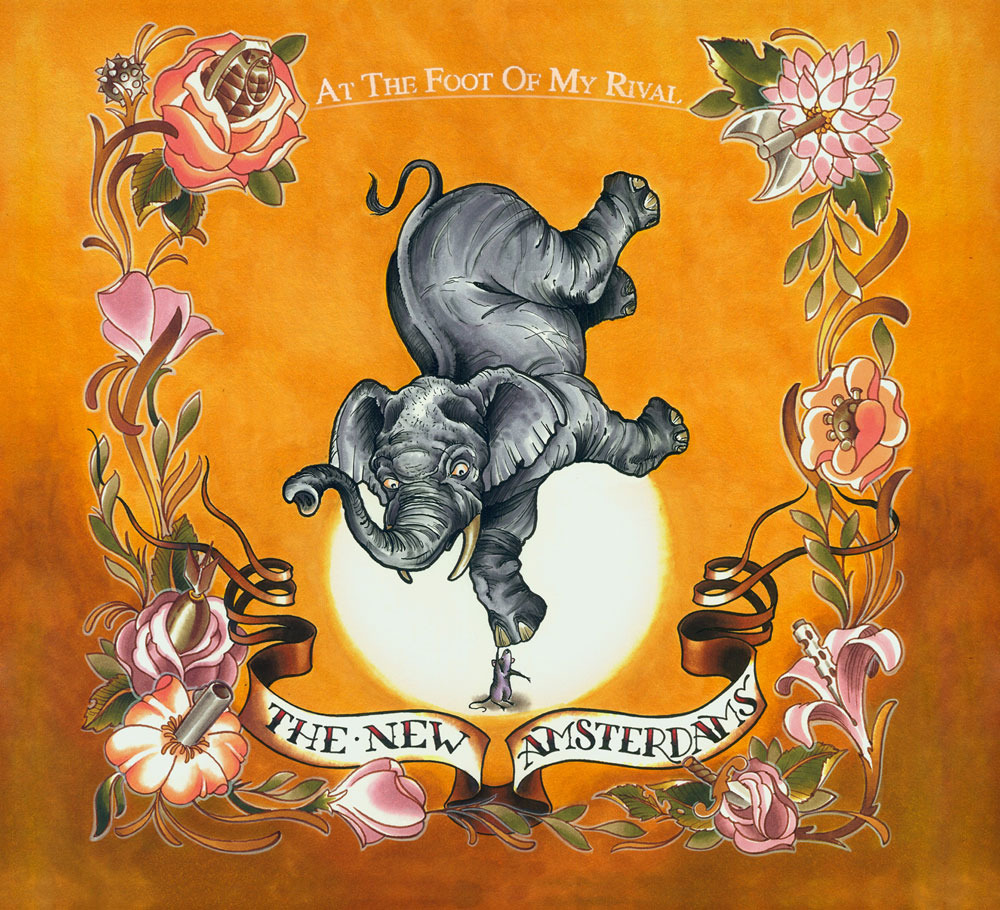
 View Artist