Song Meaning
The lyrics paint a picture of someone grappling with the aftermath of a relationship that ended abruptly and confusingly. The opening lines, "Maybe i'm a fool for believing you / Never be the proof but then it all came true," suggest a persistent faith in a partner that was ultimately validated, but perhaps in a way that brought pain rather than joy. This initial belief, contrasted with the harsh reality of the present, sets a tone of bewildered disillusionment. The narrator seems to be processing a situation where their intuition was right, yet the outcome is devastating.
The central tension lies in the narrator's struggle to accept responsibility versus assigning blame. They admit, "Its all my fault that every grain salt," yet immediately pivot to wanting to shift some of that burden, stating, "Want to hope that your to blame / Your only half the blame." This internal tug-of-war highlights the difficulty of moving on when the reasons for the breakup are unclear or feel unfairly distributed. The repetition of "Maybe i'm a fool" acts as a self-recriminating refrain, underscoring the narrator's confusion about their own judgment and actions.
The craft of the lyrics shines in its use of stark contrasts and fragmented thoughts that mirror the narrator's fractured emotional state. Phrases like "Never be the proof but then it all came true" and "Everyone says this is it / This isn't it" capture a sense of cognitive dissonance. The abrupt shift from "Wrote it in a letter that i sent to you" to the dawning realization of "Suns coming up / Finally waking up" signifies a painful clarity. The repeated, almost desperate, assertion "Your only half the blame" reveals a desperate attempt to find a balanced perspective amidst overwhelming hurt.
Ultimately, these lyrics resonate because they articulate the messy, often contradictory feelings that accompany a painful breakup. The narrator isn't just sad; they're confused, self-doubting, and desperately trying to make sense of what happened. The raw honesty of admitting fault while simultaneously seeking external validation for their pain makes the emotional core of the song feel incredibly real and relatable, even without knowing the specific circumstances.
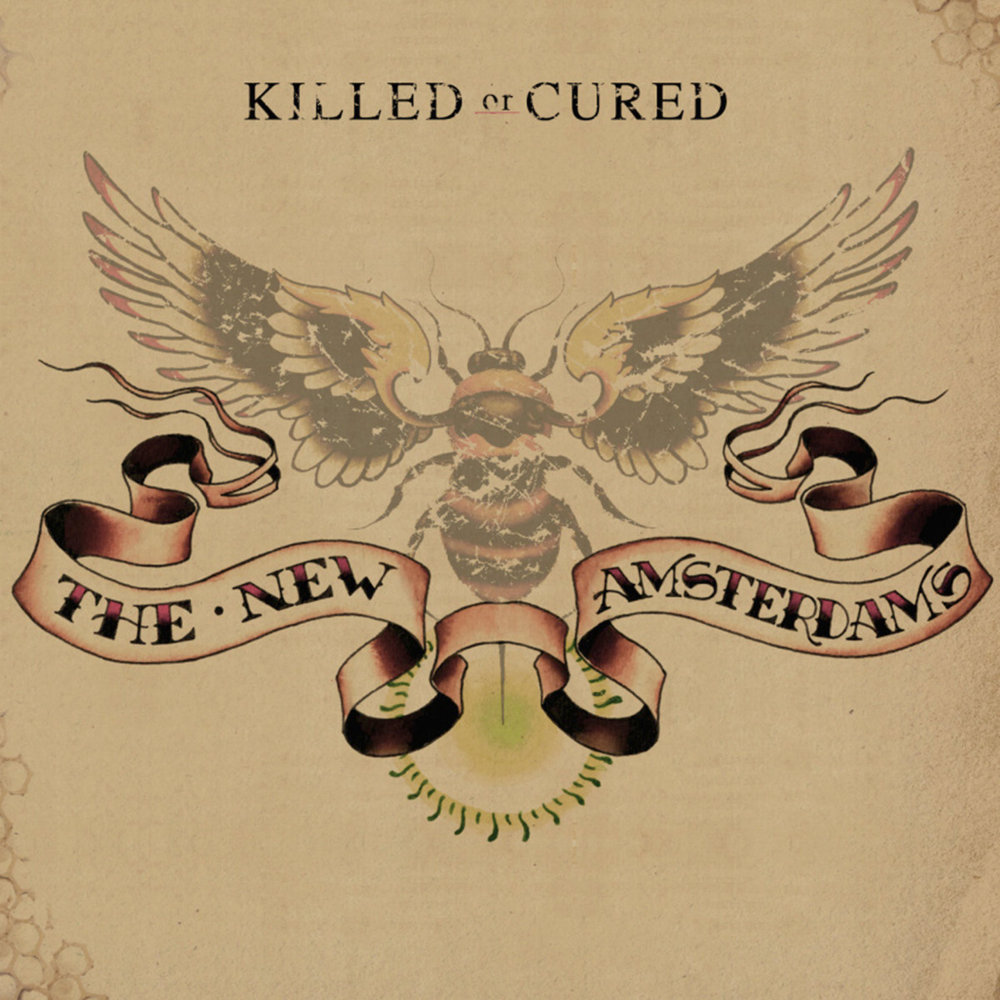
 View Artist