Song Meaning
The lyrics paint a picture of a tense, internal struggle set against a backdrop of external pressure. The opening lines establish a sense of unease: "Night time's noisy quiet" suggests a peace that's anything but restful, a state where anxieties are amplified rather than soothed. This isn't a moment for passive waiting; the narrator is urged to "give in" and "surrender" to a force that feels overwhelming, implying that resistance is futile and perhaps even counterproductive to achieving any kind of victory or peace.
The core tension lies in the conflict between inaction and the urgent need for a response. The narrator is waiting for easy answers, but the lyrics suggest that true solutions, even "cures for the cancer," come from within, from actively engaging with and nurturing the "souls that you feed." This internal work is directly contrasted with the external imperative: "When the streets are callin'," a powerful, almost primal summons, demands an answer. The repeated question, "Whatcha gonna do with it?" underscores the gravity of this moment and the personal responsibility it entails.
The most striking craft element is the juxtaposition of confinement and the call to action. The narrator feels trapped, with "walls be closing in" and a desire for a "peep hole" to discern whether salvation or damnation waits outside. This internal paralysis is amplified by the external demand to "holler, holler" – a visceral, vocal act of engagement. The choice presented is stark: "Don't know whether to answer or just run and hide," or to "take the wheel" versus "hang on for the ride," highlighting a critical decision point where passivity is no longer an option.
Ultimately, these lyrics resonate because they tap into a universal feeling of being at a crossroads, facing an undeniable call to action while grappling with fear and uncertainty. The repeated phrase "It's your business" frames the decision as intensely personal, yet the urgency of "Hear your people fallin'" broadens the scope to a communal responsibility. The raw, direct language and the insistent rhythm of "holler, holler" create a sense of immediate, almost desperate, engagement, forcing the listener to confront their own moments of decision and the consequences of inaction.
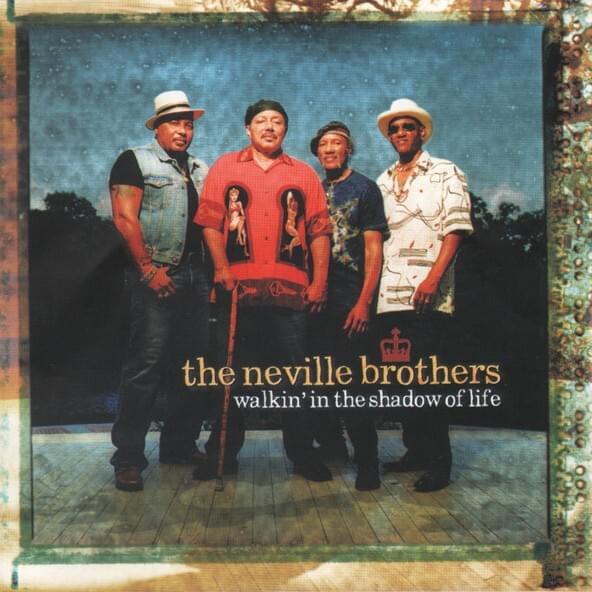
 View Artist