Song Meaning
The lyrics paint a poignant portrait of a young woman grappling with the abrupt transition from childhood innocence to the complex realities of adult love and responsibility. The opening lines immediately establish a sense of time's passage, noting she's "several ages older now" and her eyes betraying the "little girl's growin' now." This isn't a gentle maturation; it's a sudden, almost jarring, shift.
The central tension arises from the contrast between the idealized past and the messy present. The narrator questions if the "morning girl" was the one "crying on the radio," a raw plea to return to a simpler time "where love wasn't jumbled so." This suggests a deep dissatisfaction with her current romantic entanglements, which are far from the uncomplicated affection she yearns for.
The bridge offers a stark, almost cynical, redefinition of love. "You know love is more than kisses / A whole lot more," the lyrics state plainly, stripping away romantic notions for a pragmatic, perhaps even weary, understanding. This sentiment is echoed in the final verse, where the narrator urges the "morning girl" to abandon her dreams and engage in a more performative, almost transactional, pursuit of a partner, "go out and find your man / Where the wild wind blows."
Ultimately, the song's effectiveness lies in its unflinching portrayal of this disillusionment. The repeated address, "Morning girl," acts as both an endearment and a lament, highlighting the loss of youthful ease. The shift from gentle inquiry to pragmatic, almost harsh, advice underscores the painful realization that growing up often means trading dreams for a more complicated, less romantic, reality.
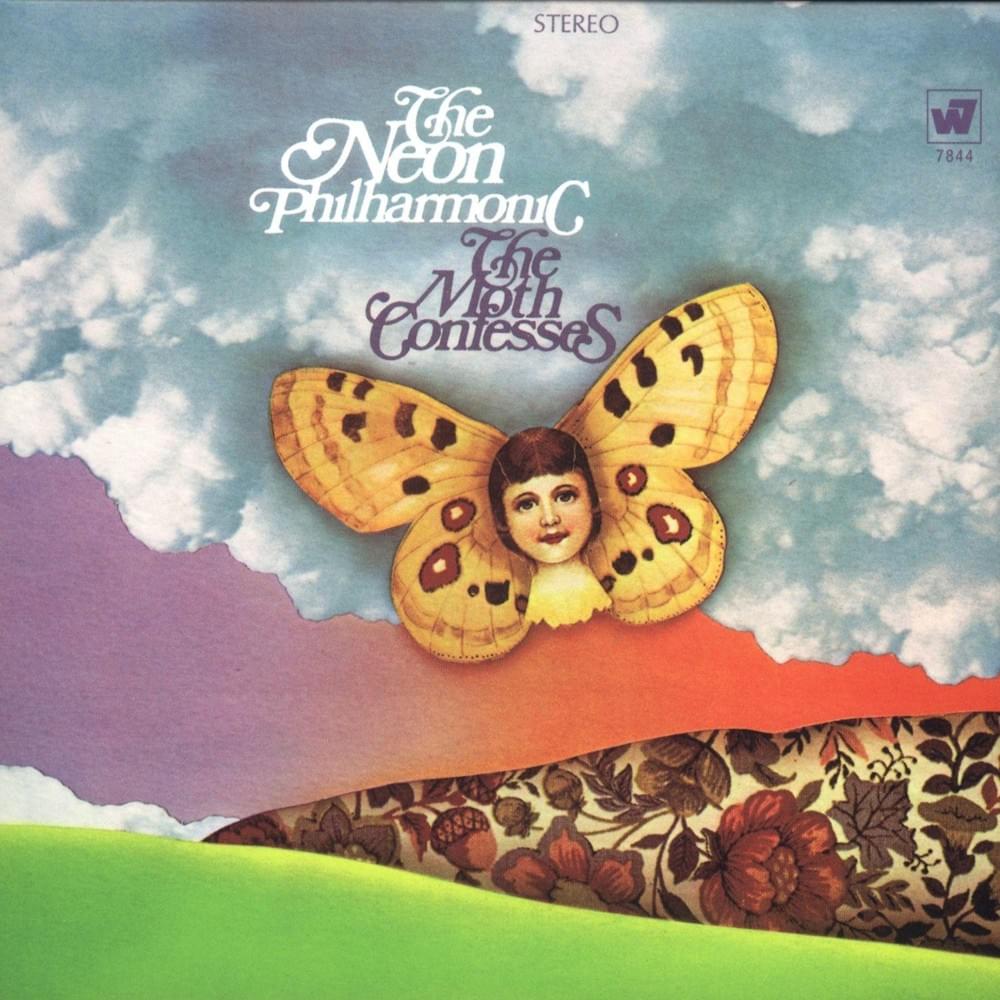
 View Artist