Song Meaning
The narrator confronts a lover's insecurity, directly addressing their unspoken doubts about the longevity of the relationship. The opening lines paint a picture of a partner scrutinizing the narrator, their gaze filled with a question about the future: "Will the flame burn out?" This immediate setup establishes a tension rooted in the fear of impermanence, a common anxiety in romantic connections.
Instead of dismissing the doubt, the narrator counters it with an unwavering declaration of their love's endurance. They juxtapose the uncertainty of natural phenomena like sunshine and dawn with the absolute certainty of their own affection. This contrast highlights the profound, almost defiant, nature of their commitment, suggesting it surpasses the reliability of even the most fundamental elements of existence.
The core of the song lies in its powerful, hyperbolic comparisons to illustrate this certainty. The narrator claims they'll only be tired of their lover when fundamental, eternal forces cease to be: when stars stop gleaming, when dreams end, when winds stop blowing, and grass stops growing. These are not just metaphors; they are impossibilities, framing the narrator's love as something that will outlast the very fabric of the universe. The repetition of "Then I'll be tired of you!" after each impossible condition hammers home the absolute nature of this promise.
This lyrical strategy works because it takes an abstract emotion – love – and anchors it to concrete, cosmic impossibilities. The sheer scale of these comparisons makes the narrator's devotion feel monumental and unshakeable. The final verse, with its image of a "throbbing heart" ceasing to beat, offers a final, visceral impossibility, reinforcing the idea that their love is as fundamental and inevitable as life itself.
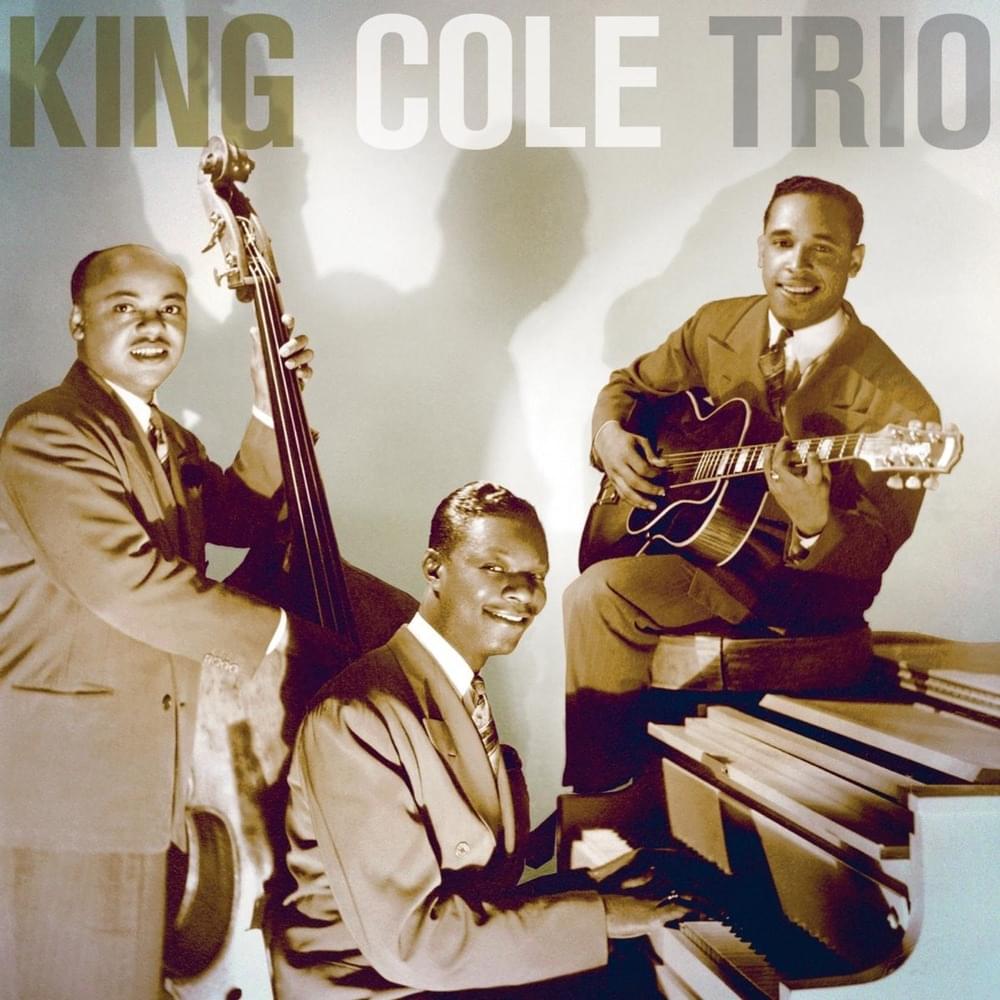
 View Artist