Song Meaning
The lyrics paint a poignant picture of a lost springtime, personified as "April." This "April" is remembered as a time of warmth and softness, a stark contrast to the departing winter. The narrator directly questions its disappearance, likening it to vanishing snow, immediately establishing a sense of irretrievable loss. This initial imagery sets a melancholic tone, focusing on a specific, cherished season that has inexplicably faded from existence.
The central tension arises from the connection between "April" and a past love. The narrator reveals that this specific April was transformative, teaching them the power of a single kiss to evoke profound happiness, suggesting a peak romantic experience. However, this idyllic period was fleeting, explicitly stated as having "numbered days." The passing of this time directly led to the end of the love affair, intertwining the fate of the relationship with the season itself.
The most striking craft element is the persistent personification of April. It's not just a month; it's a tangible entity that the narrator "saw vanish" and can't banish from memory. The repetition of "Lost April" acts as a mournful refrain, emphasizing the dual loss of both the season and the love associated with it. The structure, particularly the repetition of the lines "So when they passed / Love couldn't last / I lost love and you / And April, too," hammers home the inescapable consequence of time's passage on fleeting happiness.
This lyrical construction is effective because it grounds abstract feelings of heartbreak and nostalgia in a concrete, sensory experience of a lost season. The specific imagery of winter's snow and a transformative kiss makes the emotional weight of the loss palpable. The narrative doesn't just state sadness; it shows how a specific, beautiful time was inextricably linked to a profound love, and how the end of one meant the end of the other, leaving a void that feels as vast as a vanished spring.
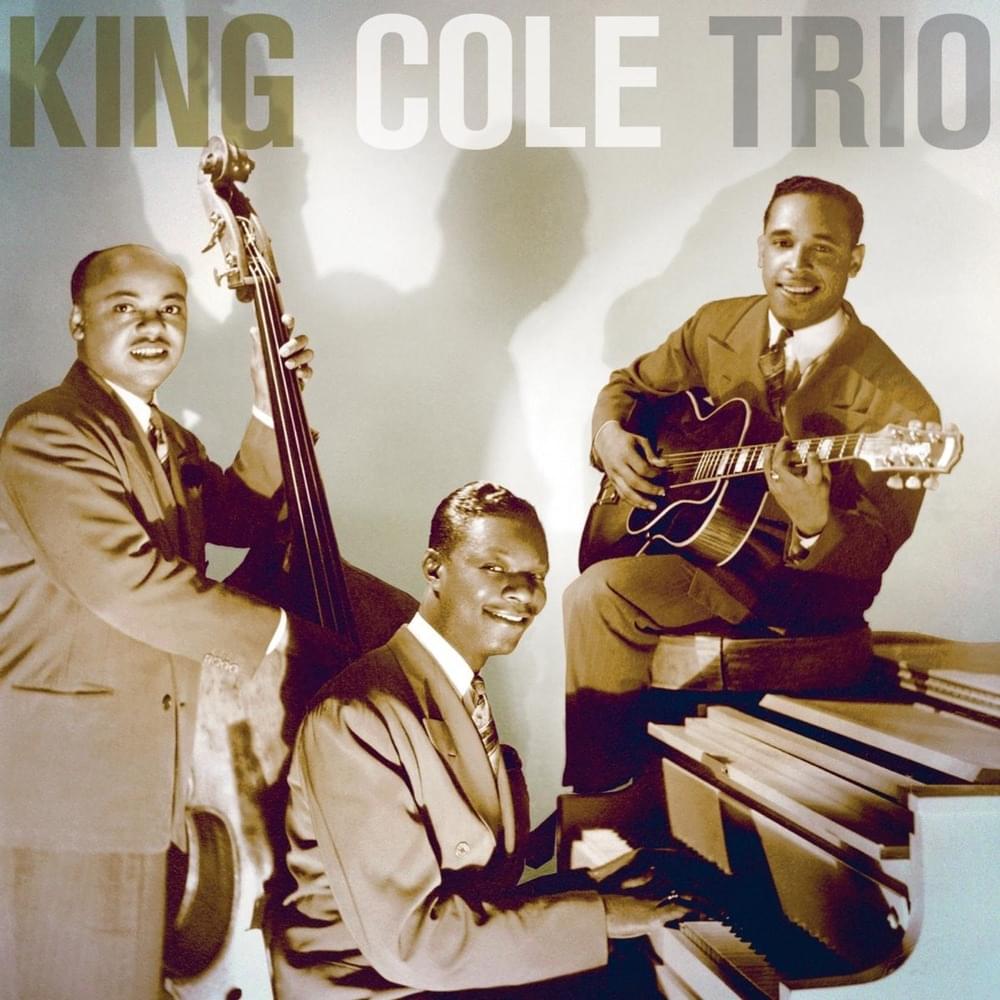
 View Artist