Song Meaning
The lyrics paint a picture of intense pressure and a looming deadline. The opening lines, "Perfect, peachy / Smiling, guilty," immediately establish a facade of happiness that masks an underlying unease. This contrast suggests a forced performance, a desperate attempt to appear in control while internally feeling compromised. The anticipation from an unseen 'someone' amplifies this tension, creating a sense of being watched and judged.
The central conflict seems to be a final, critical moment where failure carries severe consequences. Phrases like "This is your last chance" and "Testing patience" highlight the precariousness of the situation. The narrator's own frustration, "I've had it up to here," bleeds through, indicating a personal stake in the outcome and a weariness with the other party's perceived inability to meet expectations. The threat of isolation, "You'll have no one / They'll make you pay," underscores the high stakes involved.
The most striking aspect is the narrator's paradoxical instruction: "You need to make this your own big mistake." This line is a masterclass in frustrated guidance. It suggests a complete loss of faith in the other person's ability to succeed, almost daring them to embrace their perceived destiny of failure. The repetition of "I've had" in "I've had, I've had it up to here" emphasizes the narrator's exhaustion and the prolonged nature of this testing situation.
Ultimately, these lyrics resonate because they capture the raw, exasperated energy of watching someone repeatedly falter under pressure. The final, blunt admission, "Well I'm not the one to blame / You've fucked it up again," strips away any pretense, leaving a stark, almost defiant declaration of detachment and disappointment. It’s the sound of reaching a breaking point, where the only remaining option is to let the inevitable unfold.
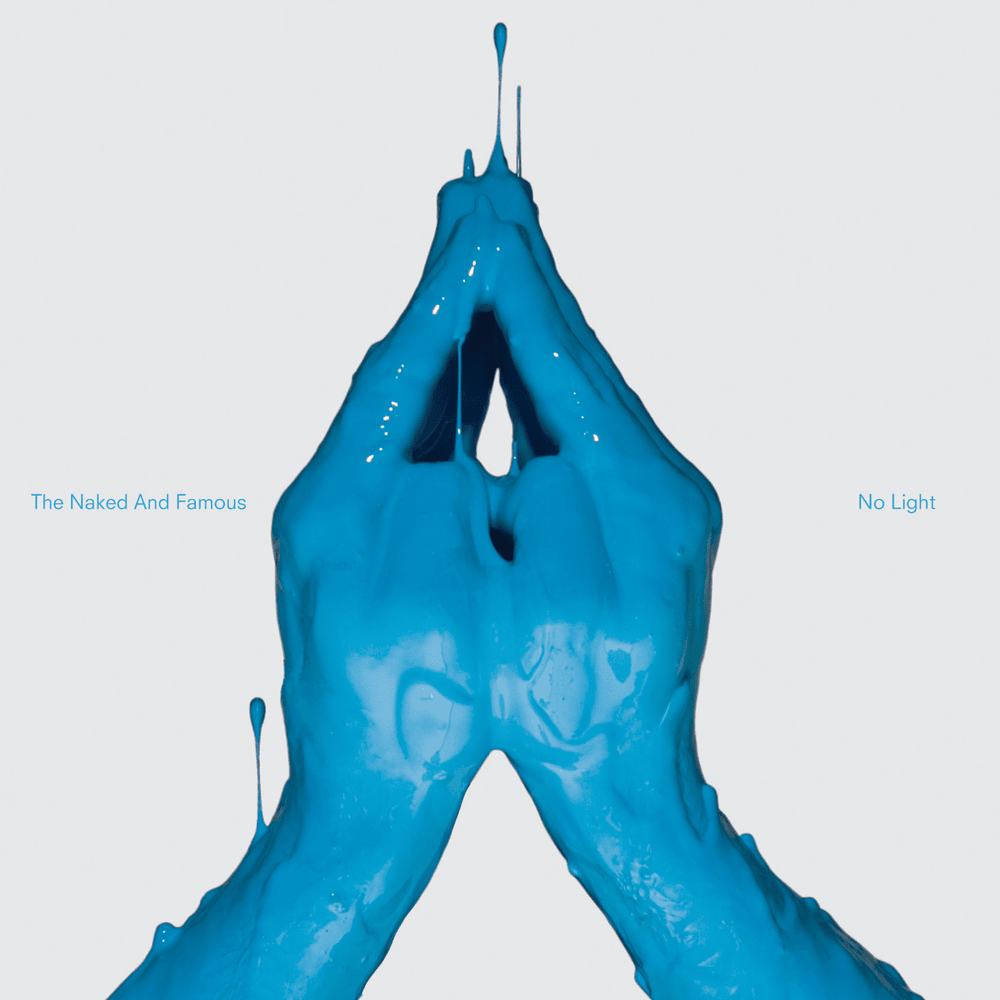
 View Artist