Song Meaning
These lyrics paint a vivid picture of an irrepressible joy tied directly to music. The narrator possesses "happy feet" that instinctively respond to rhythm, transforming simple "tapping toes" and "dancing heels" into an uncontrollable urge. It's a physical manifestation of happiness, a force so potent it can't be contained, even "to save my soul."
The central tension arises from the contrast between external negativity, the "weary blues," and the internal, music-fueled resilience. The shoes themselves become a metaphor for this unshakeable spirit, refusing "to ever grow weary." This suggests that the joy isn't about ignoring hardship, but about having an internal mechanism, powered by music, that prevents the blues from taking hold.
The most striking element is the personification of the shoes and feet as active agents against weariness. They "refuse to ever grow weary," actively repelling the "weary blues." This active resistance, driven by the "earful of music sweet," elevates the simple act of dancing into a powerful statement of defiance against negativity. The repetition of "happ-happ-happy feet" reinforces this infectious, almost involuntary, state of bliss.
Ultimately, the effectiveness of these lyrics lies in their direct, unadorned expression of how music can physically and emotionally uplift. The focus on the feet as the locus of this joy makes the feeling tangible and relatable. It’s a celebration of music's power to create an immediate, uncontainable happiness that acts as a shield against life's weariness.
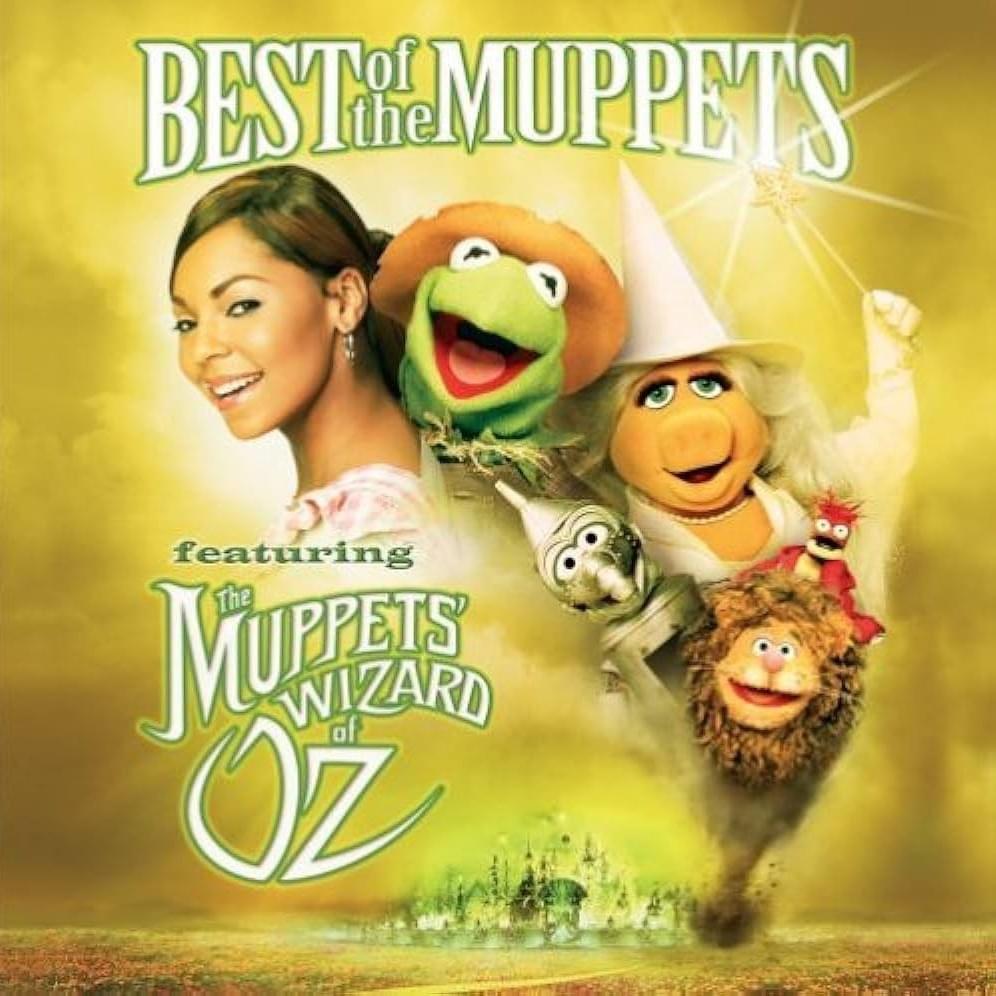
 View Artist