Song Meaning
The narrator is stuck in a state of profound apathy, questioning their own actions and presence. The opening lines immediately establish a sense of disorientation and lack of purpose, with the repeated phrase "why I'm behind the door" suggesting a self-imposed confinement or a feeling of being trapped without understanding the reason. This initial bewilderment sets the stage for a deep emotional inertia that permeates the entire piece.
The core tension lies in the narrator's detachment from their own life and surroundings. They admit to "looking at the floor" and not caring "much anymore," indicating a significant loss of interest or motivation. This passive observation is further emphasized by the contrast between their outward "smile" and inward "frowning," revealing a hidden internal struggle masked by a superficial pleasantness. The question "Will I go anywhere" hangs heavy, met with an uncertain "I do not rightly know."
The lyrics masterfully employ repetition and stark imagery to convey this desolation. The phrase "this is how I pass the time" becomes a bleak refrain, underscoring a life lived without engagement or forward momentum. The visceral image of "laying here in my own bile" is particularly potent, suggesting a self-destructive state of decay and stagnation. The narrator's admission, "I'm never there," highlights a complete emotional and mental absence, even when physically present.
Ultimately, the effectiveness of these lyrics stems from their unflinching portrayal of existential ennui. The narrator's passive resignation and the lack of any clear resolution create a powerful sense of unease. By focusing on the internal experience of apathy and the subtle, yet devastating, ways it manifests, the writing captures a specific kind of quiet despair that resonates deeply.
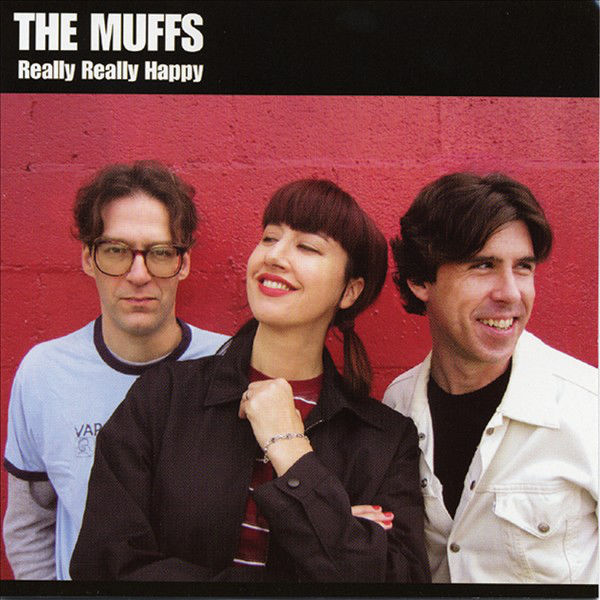
 View Artist