Song Meaning
The lyrics paint a stark, almost surreal picture of a relationship framed by legalistic language and a sense of inevitable transgression. It opens with a seemingly straightforward romantic overture – a chance encounter on a corner, a hopeful gesture – but quickly pivots to a tone of arrest and interrogation. The narrator's initial desire is met not with reciprocation, but with a reading of rights, immediately establishing a power dynamic that feels both literal and metaphorical. This sets the stage for a narrative where love itself is treated as a crime, and the pursuit of connection is inherently suspect.
The central tension lies in the narrator's desperate, almost compulsive, desire for a connection that is explicitly labeled as forbidden and dangerous. The repeated refrain, "I know you would not go / You'd watch my heart burst, then you'd step in," suggests a partner who is both a source of fascination and a potential enforcer, someone who understands the narrator's destructive impulses. This dynamic is further complicated by the narrator's self-awareness; they acknowledge their own potential for perpetrating "love" in a way that aligns with the "sex offender" label, implying a cyclical pattern of desire and transgression that the partner seems to anticipate, even encourage.
The most striking craft element is the consistent use of legal and criminal terminology to describe romantic pursuit. Phrases like "read me my rights," "hands cuffed," "public defender," and "at the trial, you'll be there / With your badge" create a disorienting fusion of intimacy and incarceration. The partner is described as a "marksman" walking the line, and love is "ageless" like wine, but these poetic notions are juxtaposed with the harsh reality of the narrator's "cell" and the ultimate confession: "I'll be a sex offender to you." This deliberate linguistic collision highlights how the narrator perceives their own desires and the relationship itself as being under constant scrutiny and judgment, blurring the lines between consensual love and criminal behavior.
Ultimately, these lyrics resonate because they articulate a raw, self-destructive yearning that feels both specific and disturbingly familiar. The narrator isn't just falling in love; they are confessing to a predilection for a love that is inherently problematic, a love that will inevitably lead to their own downfall and condemnation. The partner's role as both observer and potential accuser, who "had to laugh" at the narrator's desperate questions, underscores a bleak understanding of this dynamic. It’s this unflinching, almost clinical, portrayal of a love that courts its own destruction, framed by the language of law and punishment, that makes the song’s emotional core so potent and unsettling.
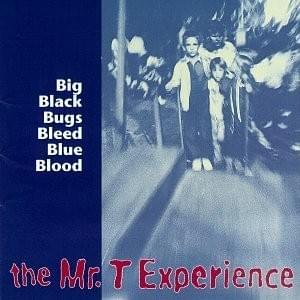
 View Artist