Song Meaning
Hitting twenty-one feels less like a grand entrance and more like an abrupt eviction from childhood. The lyrics paint a picture of this transition not with soaring anthems, but with the mundane, almost comical, loss of simple pleasures. Gone are the days of passive TV watching, symbolized by the specific, nostalgic images of "Brady Bunch" and "Captain Crunch." This isn't just about growing up; it's about the sudden, unceremonious end of a carefree era.
The central tension here is the jarring disconnect between the legal age of adulthood and the internal feeling of still being a child. The narrator explicitly states, "I still feel like a kid," yet the external pressures demand a serious demeanor: "Every day, have to take / Everything seriously." This creates a palpable anxiety, a feeling of being ill-equipped for the responsibilities that twenty-one supposedly brings, especially when contrasted with the earlier, simpler past.
The most striking aspect is the direct juxtaposition of past and present behaviors, particularly around the age of twenty-one. The lyrics highlight a shift from not drinking at ten to "drink[ing] way too much" at twenty-one, suggesting that the newfound freedom isn't being channeled into productive adult activities but into a coping mechanism for the overwhelming pressure. The repeated phrase "Now we are twenty-one" acts as both a declaration and a lament, underscoring the inevitability of this change while also expressing a sense of being overwhelmed by it.
Ultimately, the effectiveness of these lyrics lies in their unflinching honesty about the awkwardness of early adulthood. By focusing on specific, relatable losses and the internal struggle against external expectations, the song captures a universal feeling of being thrust into maturity before feeling ready. The simple, almost childlike language amplifies the narrator's internal state, making the transition feel less like a triumphant milestone and more like a bewildering, slightly panicked, realization.
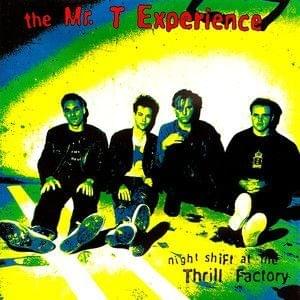
 View Artist