Song Meaning
The lyrics open on a high-stakes scene at "old Gambler's Hall," where a man risks not just his "money" but his "soul." Initially, "the good times rolled," suggesting a rush of success or exhilaration. Yet, a crucial caveat immediately follows: "He didn't know," hinting at unforeseen consequences.
The gambler quickly departs with his "new fortune" and "new Colt," embodying a restless spirit and a readiness for whatever comes next. His philosophy, that "life is dull" without betting "it all," reveals a commitment to extreme living where risk is essential to vitality. However, a shift in perspective to "I" introduces a deeper unease, as the narrator admits, "My suitcase wouldn't seal," implying an inability to escape the burdens accumulated from such a life. This suggests the initial freedom was an illusion.
The imagery here is striking, particularly the call to "take your turquoise torches" and "set them on fire." This vivid, almost destructive act contrasts sharply with the narrator's claim to "hold a grain of sand," perhaps a futile attempt to control something small amidst the chaos. The defiant declaration, "If I was sorry, I wouldn't tell you," further solidifies a hardened persona, unwilling to admit vulnerability despite the implied weight of his choices. This refusal to show regret underscores the gambler's commitment to his high-stakes ethos.
The lyrics effectively portray a character caught in a cycle of bravado and consequence. The repeated phrase "Let the good times roll" evolves from an enthusiastic command to a more resigned observation, especially when it becomes "And the good times rolled" in the final lines. This cyclical structure, returning to "He went down to old Gambler's Hall," suggests an inescapable fate, where the initial thrill of the gamble ultimately leads back to its origin, perhaps with a heavier, unshakeable burden. The emotional impact lies in this subtle transformation, revealing the true cost of betting it all.
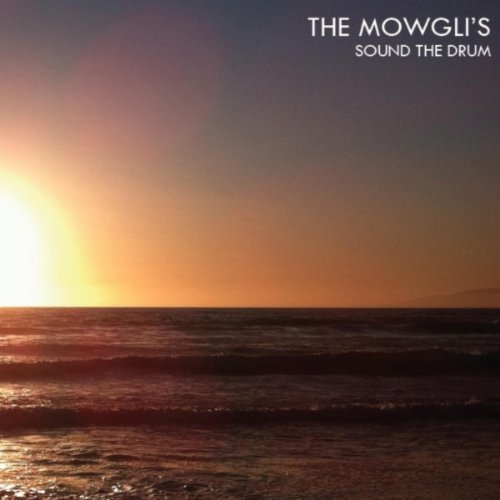
 View Artist