Song Meaning
The lyrics paint a picture of intense devotion, a desperate attempt to pull someone back from the brink of despair. The narrator observes a loved one's profound sadness, noting their aversion to winter's bleakness. This shared moment calls for a specific ritual: pouring two glasses and leaving a light on, a gesture of welcome and enduring presence. The desire for physical closeness, "trembling lips on my neck," underscores the urgency and intimacy of this commitment.
The central tension lies in the narrator's fierce resolve to shield their loved one from a "dreadful world." The phrase "I'll never leave you alone again" highlights a past abandonment or perceived neglect, now being rectified with unwavering support. The narrator acknowledges life's deceptive nature, "Life can be such a ruse," and prioritizes this relationship above all else, famously declaring, "I'm not coming home for Christmas, I'm coming home for you."
The most striking craft element is the powerful contrast between external hardship and internal solace. The "cold lonely mornings" are explicitly stated to be "yours anymore," implying they are now a shared burden or entirely removed. The narrator offers to "Stack your troubles on my shoulders," a physical manifestation of emotional support. The final image, "the fire in your eyes," suggests a rekindling of spirit, a hope that the narrator's intervention will bring back vitality.
These lyrics resonate because they articulate a profound, almost sacrificial love in the face of overwhelming external darkness. The direct, declarative statements and vivid imagery of comfort create a palpable sense of safety and unwavering commitment. It’s the raw promise of shared burdens and the hope for renewed inner light that makes this a powerful declaration of care.
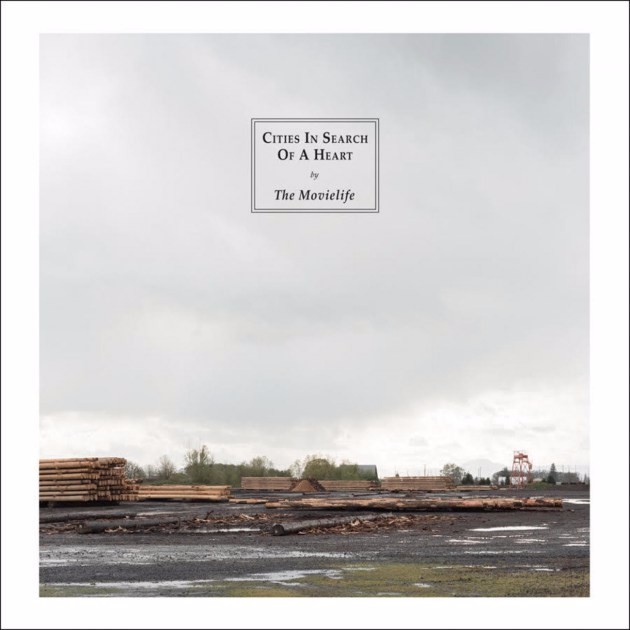
 View Artist