Song Meaning
The lyrics paint a stark picture of a relationship fractured by absence and a desperate plea for presence. The repeated "Stop" and "I'm not gonna listen" in the opening verses establish a tone of frustration and withdrawal, suggesting a communication breakdown where one party feels unheard or ignored. This initial resistance, however, quickly gives way to a profound yearning: "You should be here." This phrase becomes the emotional anchor, highlighting a deep-seated need for connection and support that is currently unmet.
The central tension lies in the contrast between the speaker's urgent need and the perceived inaction or absence of the other person. The repeated invocation of "Hope" in the second verse, immediately followed by "Heaven wasn't listening," underscores a feeling of abandonment and a loss of faith, not just in the other person but perhaps in a higher power as well. The chorus drives this point home with the powerful, repeated image of "All of our lives like words in the sand," a poignant metaphor for transience and the potential erasure of shared experiences and individual significance.
The bridge's insistent repetition of "Ozymandias / What does it matter?" introduces a layer of existential questioning, likely referencing the poem about a fallen empire and the ultimate futility of grand ambitions in the face of time. This allusion suggests that the current relational conflict, or perhaps life itself, feels insignificant against a backdrop of inevitable decay and loss. The speaker seems to be grappling with the ephemeral nature of their struggles and the very meaning of their plea when faced with such profound impermanence.
Ultimately, the effectiveness of these lyrics stems from their raw emotional honesty and the stark simplicity of their central plea. The repeated phrases, particularly "You should be here," create a sense of desperate, almost childlike longing. The "words in the sand" imagery provides a powerful, universally understood symbol for fragility and the fleeting nature of existence, making the speaker's pain feel both personal and deeply resonant.
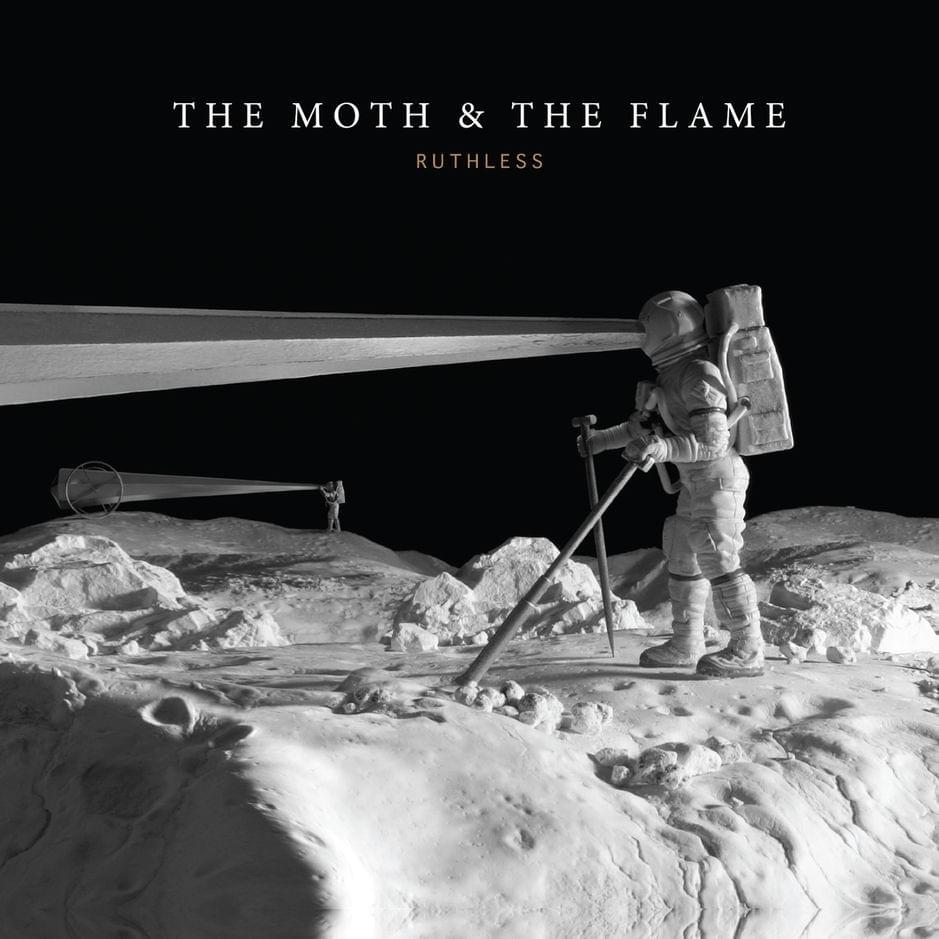
 View Artist