Song Meaning
The lyrics paint a stark picture of post-breakup desolation, where the narrator is utterly lost without their former lover. The opening nonsensical vocalizations, "Whee-o Whew-o wop wop," feel like a primal expression of grief, a sound that precedes coherent thought. This sets the stage for a raw plea, a desperate yearning for guidance and reassurance that has vanished with the departed lover. The narrator explicitly states, "I can't have another / Now that you have gone," highlighting an all-consuming devotion that borders on obsession.
The central tension lies in the narrator's desperate need for confirmation of love. The repeated question, "Do you love me love me love me / Like you used to," is a direct plea for the return of a past intimacy. This isn't just about missing someone; it's about needing to know if the emotional connection that defined their relationship still exists. The refusal to ever love another, "I never love another I refuse to," underscores the depth of this singular fixation.
The most striking aspect of the craft is the insistent repetition, not just of the core question about love, but also of the word "lover" itself. This constant return to the central figure and the core plea amplifies the narrator's singular focus. The phrase "Place the world above me" is particularly poignant, suggesting a desire for their lover to prioritize them, to elevate them above all else, a wish that seems to have gone unfulfilled and is now a desperate hope.
These lyrics hit hard because they capture the disorienting, all-consuming nature of profound heartbreak. The simple, direct language, coupled with the relentless questioning and repetition, mirrors the obsessive thought patterns that often accompany loss. It’s the raw, unvarnished expression of someone whose world has shrunk to a single, desperate need: the validation of love from the one person who now holds their entire universe.
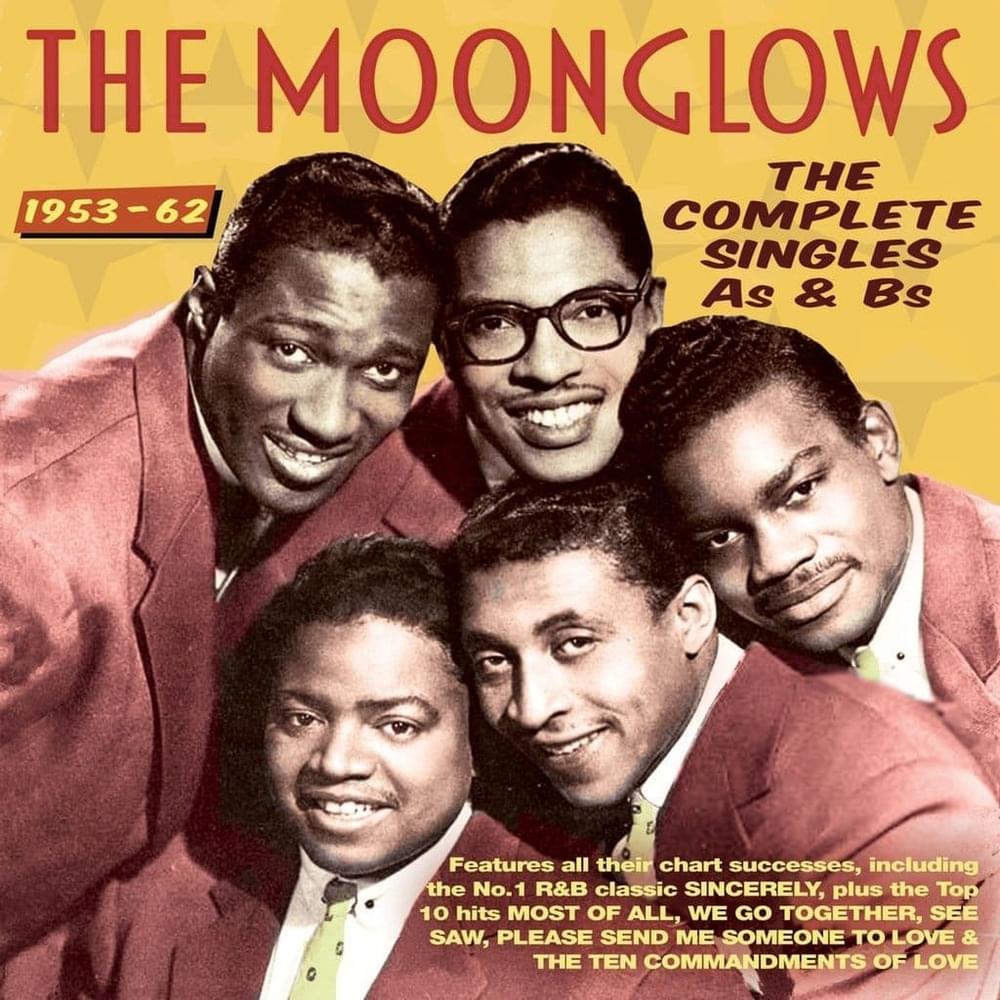
 View Artist