Song Meaning
The lyrics paint a picture of someone grappling with the painful inevitability of separation and the bewildering nature of love. There's a raw vulnerability in lines like "Sometimes I cry" and "Don't know why / Life is like this," suggesting a deep sadness and confusion about relationships and existence itself. The repeated phrase "Have to part" underscores a sense of resignation to circumstances beyond the narrator's control, a feeling amplified by the acknowledgment of their own potential demise, "I could have died."
The central tension arises from the paradox of finding love amidst this emotional turmoil. The narrator admits, "It's confusing but amusing / That I find me a love with you," highlighting how love can be both a source of joy and a complication in a life already perceived as "crazy." This internal conflict is palpable as they question their own actions and feelings, "Life is crazy, I'm going crazy / What more can I do?"
The most striking element is the recurring imagery of the "lonesome railroad line" and the desire to "turn it tonight a train" to "Ease my troubled mind." This metaphor suggests a yearning for escape and a way to process overwhelming emotions. The train, often associated with journeys and transitions, becomes a vehicle for seeking solace, a means to outrun the confusion and pain, even if only in their head. The repetition of "amusing" and "crazy" further emphasizes the disorienting, almost surreal, quality of their emotional state.
Ultimately, the effectiveness of these lyrics lies in their unvarnished portrayal of emotional distress intertwined with the unexpected solace found in love. The narrator’s struggle feels intensely personal, yet the universal themes of loss, confusion, and the search for peace resonate deeply. The juxtaposition of profound sadness with the bewildering joy of love, all set against the backdrop of a desire for escape, creates a potent emotional landscape that feels both specific and broadly human.
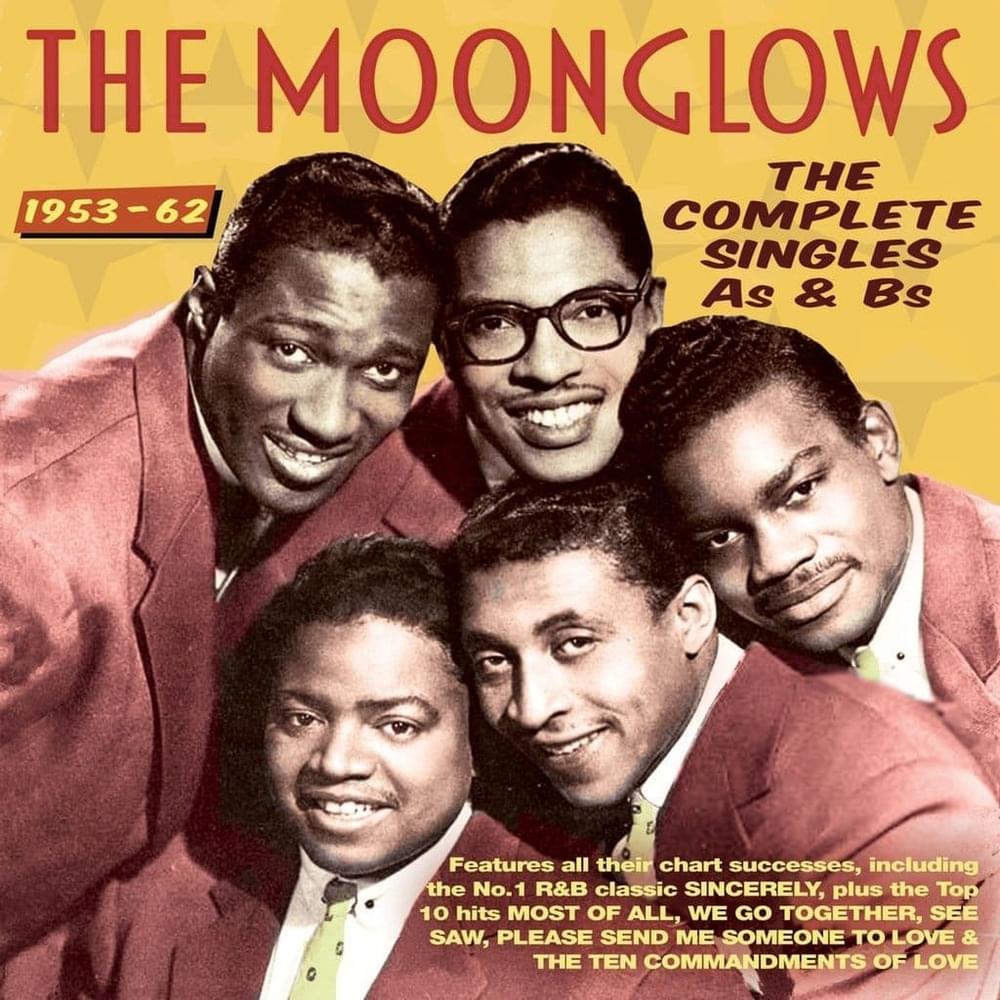
 View Artist