Song Meaning
The lyrics open with a stark, almost elemental contrast: salt water, inherently unable to nurture roses, versus a river's power to carve a valley from gentle streams. This sets up a tension between what is inherently impossible and what can be shaped by persistent force, hinting at a foundational truth about the narrator's own existence or identity.
The core of the piece is the repeated, emphatic declaration, "I am the son of love." This isn't just a statement of parentage; it feels like an assertion of inherent worth and a fundamental nature derived from a positive, powerful source. The repetition amplifies its significance, transforming it from a simple fact into a deeply felt affirmation, a bedrock identity.
The second stanza introduces a sense of lost time and potential. The narrator recalls an era when "eyes could see / What's written in the stars," suggesting a period of clearer perception or destiny. The lines "Freedom was ever / And ever was never far" evoke a feeling of historical or personal proximity to liberation, a state that was always present but perhaps just out of reach or not fully realized.
Ultimately, the effectiveness of these lyrics lies in their blend of natural imagery and profound self-declaration. The opening metaphor grounds the abstract idea of identity in tangible, contrasting forces. The insistent "I am" refrains, culminating in the powerful "son of love," create an unshakable sense of self, while the nostalgic look at stars and freedom adds a layer of yearning for a more potent, perhaps more realized, existence.
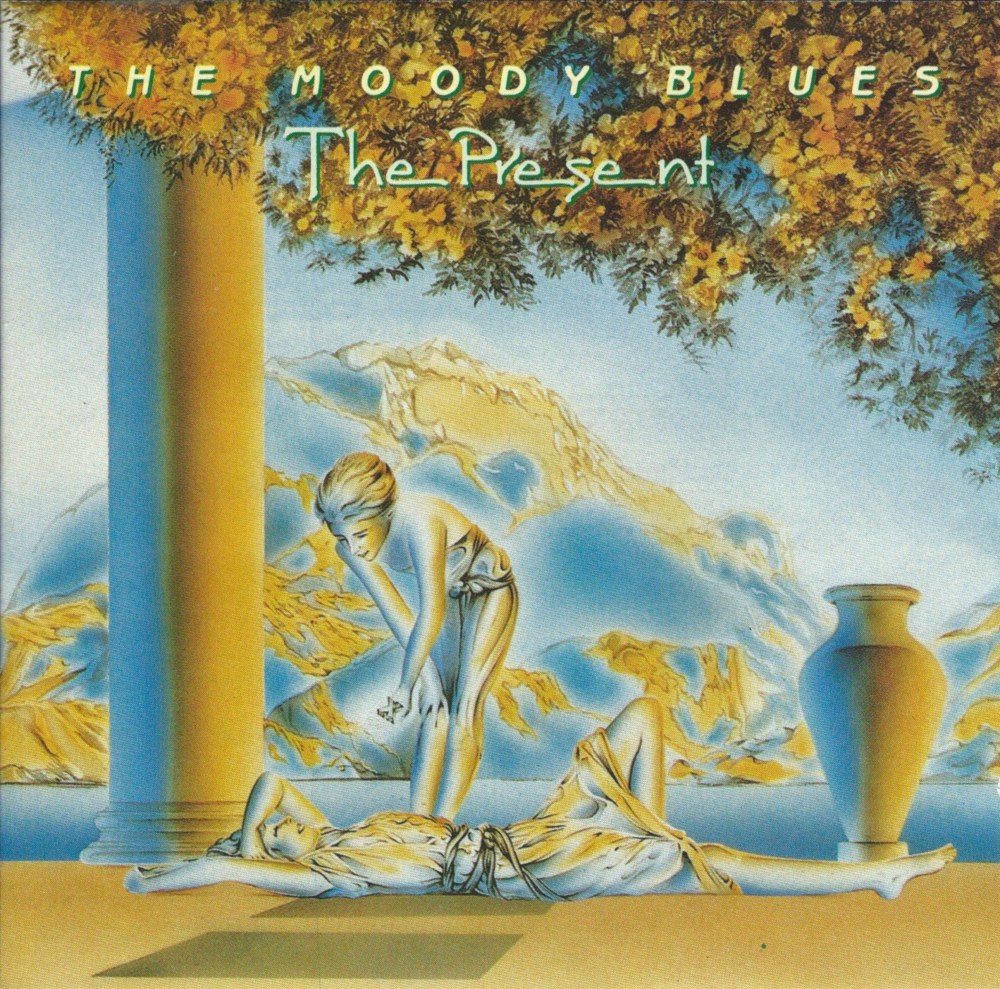
 View Artist