Song Meaning
The lyrics confront a sense of insignificance, starting with a direct, almost taunting question to the self, reflected in the mirror. This initial scene sets a tone of self-recrimination, immediately followed by the recurring, almost resigned observation that this feeling is universal: "It happens to us all." The narrator is grappling with a profound sense of being overwhelmed, not just by personal failings but by the sheer scale of the world and the passage of time.
The central tension arises from the contrast between the individual's perceived smallness and the urgent call to action. The lyrics pose a stark choice: "Time is now to spread your voice / Time's to come there'll be no choice." This suggests a critical juncture where inaction will lead to a loss of agency, amplifying the feeling of being small. The world's purpose is framed as a quest for "Understanding," yet the narrator seems to find only more reasons to feel diminished, especially when contemplating humanity's impact.
A striking element is the personification of the mirror and the wall as harbingers of truth. The mirror, initially asked to identify the "biggest fool," later issues a "warning call," echoing the "writing on the wall." This imagery transforms inanimate objects into accusatory figures, reinforcing the inescapable nature of the narrator's self-doubt and the broader societal critique. The lyrics cleverly link personal introspection with global consequences, as seen in the stark image of spoiling seas with lost rivers.
Ultimately, the effectiveness of these lyrics lies in their unflinching portrayal of existential dread and the human tendency toward self-doubt. By grounding the abstract feeling of smallness in concrete, albeit metaphorical, images like the mirror and the wall, and by repeatedly stating "It happens to us all," the song creates a resonant, if somber, connection. The repeated refrain acts as both a confession and a shared burden, making the personal struggle feel like a collective one.
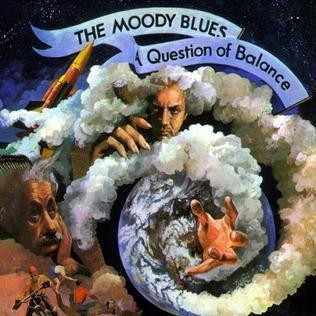
 View Artist