Song Meaning
This medley paints a picture of love’s complex and often painful landscape. The opening, "They Say It’s Wonderful," sets a tone of idealized romance, suggesting a world where love is straightforward and universally acknowledged as a beautiful thing. However, this initial optimism is quickly challenged by the subsequent tracks, hinting that the reality of love is far more intricate and less certain than the platitudes suggest. The transition into "How Deep Is the Ocean" immediately shifts the focus to the immense, almost overwhelming nature of love, questioning its depth and perhaps its feasibility. It’s a profound, almost existential inquiry into the very essence of romantic connection.
The core tension emerges from the stark contrast between idealized notions of love and the harsh realities of its pursuit. "I Don’t Stand a Ghost of a Chance With You" introduces a palpable sense of despair and futility, a direct counterpoint to the initial wonder. This track articulates a feeling of powerlessness, where one’s affections are met with an insurmountable distance, leaving the speaker feeling utterly defeated. The lyrics suggest a love that is unrequited or perhaps simply unattainable, a common yet deeply isolating experience.
The medley’s brilliance lies in its sophisticated emotional arc, moving from hopeful pronouncements to a stark admission of hopelessness. The juxtaposition of "My Old Flame" and "Body and Soul" further complicates this narrative. "My Old Flame" evokes nostalgia and the lingering presence of past relationships, suggesting that love’s echoes can be persistent and disruptive. This leads into "Body and Soul," a lament that seems to grapple with the profound vulnerability and potential for heartbreak inherent in deep emotional investment. The very act of giving one's entire being to another, as implied by the title, carries immense risk.
Ultimately, this medley resonates because it captures the full spectrum of romantic experience, from its most uplifting ideals to its most crushing disappointments. It acknowledges the grand pronouncements about love while simultaneously validating the quiet, internal struggles of those who find themselves on the losing end. The progression feels like a raw, honest confession, moving from societal expectations to the deeply personal, often painful, truth of individual experience.
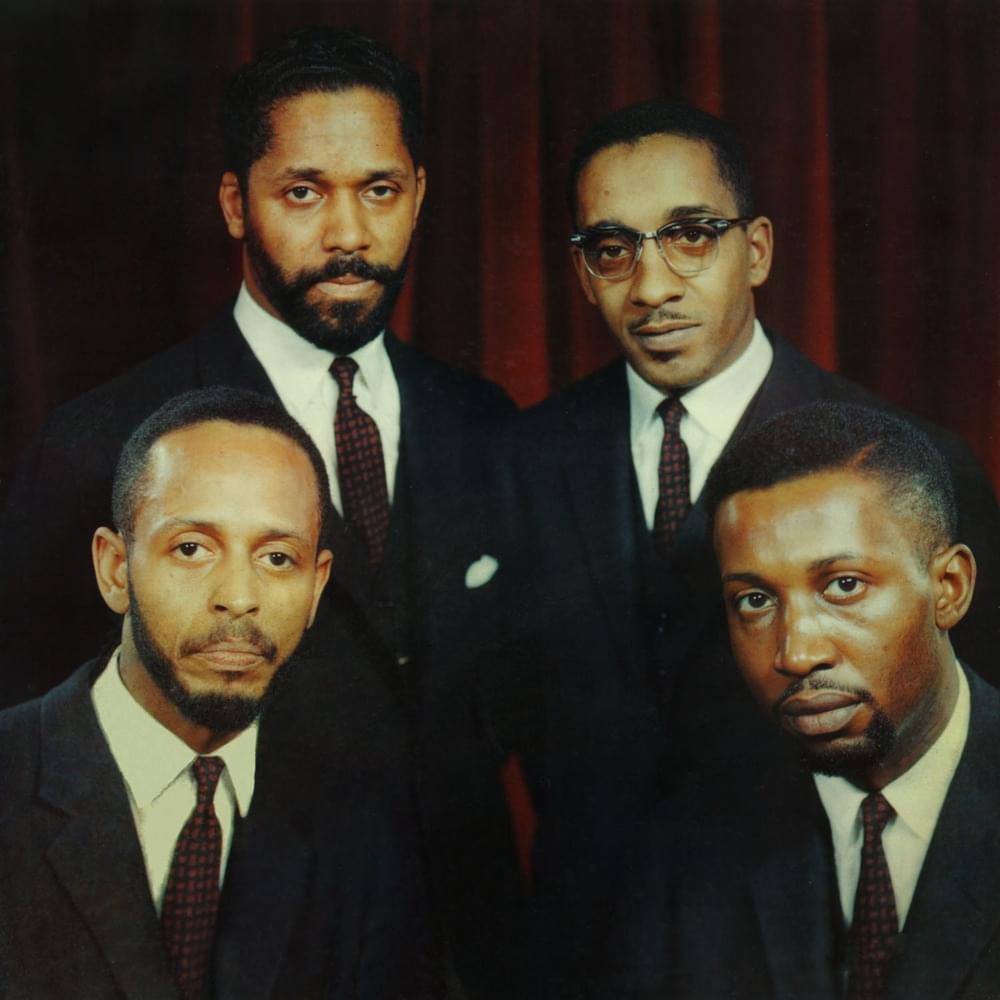
 View Artist