Song Meaning
These lyrics paint a stark picture of pervasive exhaustion. The opening lines, "You're worn out / I'm worn out / We're all worn out," immediately establish a collective and individual state of profound fatigue. It's a weariness so deep it feels ancient, stretching across "A million days, a thousand years," leaving everything, even a "house that falls down," beyond repair.
The central emotional tension here lies in the struggle between a faint desire for change and the overwhelming inertia of exhaustion. The narrator acknowledges that "feet might find a floor," suggesting a possibility of stability, but immediately negates it: "but it's all worn out." This pattern repeats with the longing to "kick down the door," only to admit, "These boots are all worn out," highlighting how physical and mental fatigue have eroded any capacity for action or escape.
The craft here excels in creating a suffocating sense of confinement and decay. The environment is described as "Dull and void, another box, too small to stand up," a powerful image of being trapped and diminished. This claustrophobic imagery, coupled with the repeated lament that "Nothing seem to make a difference anymore, and nothing's such a lonely sound," underscores a profound sense of futility and isolation that extends beyond mere tiredness.
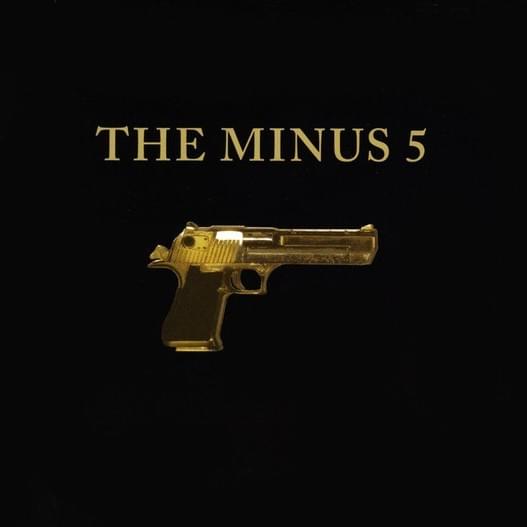
What makes these lyrics so effective is their chilling progression from passive resignation to a quiet, unsettling dread. The discovery of a "gun" in the final stanza introduces a stark, ominous element. Yet, even the means to destroy it, to "melt it down," are absent because the narrator is "Too all worn out." The concluding lines, "Time will tell, not very well / The worst to come, dear," transform the pervasive weariness into a foreboding prophecy, suggesting that this exhaustion is not just an end in itself, but a prelude to something far more dire.
 View Artist