Song Meaning
The narrator lays out a stark prediction: the object of their affection will eventually desire them, but only after the narrator has moved on. It’s a classic case of wanting what you can’t have, framed with a bitter certainty. The opening lines immediately establish this ironic future, where the narrator’s past devotion is only valued when it’s no longer offered. The expectation is that the narrator should remain faithful, even while feeling “blue,” a demand that highlights the one-sided nature of the current relationship.
This dynamic creates a palpable tension between the narrator’s present pain and their future resolve. They acknowledge the current rejection – “you don’t want me now” – but project a powerful self-sufficiency, stating “I’ll get along somehow.” This isn’t just wishful thinking; it’s a declaration of independence born from enduring mistreatment. The core emotional conflict lies in the narrator’s struggle to reconcile their lingering feelings with the harsh reality of being unwanted, while simultaneously planning for a future where that imbalance is flipped.
The most striking aspect of the lyrics is the cyclical, almost vengeful, prophecy of the chorus. The phrase “someday you’ll want me to want you” is repeated with unwavering conviction, underscoring the narrator’s belief that this reversal is inevitable. This isn't a plea for reconciliation, but a cold statement of fact, a warning that the tables will turn. The contrast between the current “blue” feelings and the future state of being “strong for somebody new” is sharp, emphasizing the emotional transformation the narrator anticipates and plans for.
Ultimately, the effectiveness of these lyrics stems from their blunt honesty and the narrator’s clear-eyed vision of future retribution. It’s the raw, unvarnished prediction of a painful truth: that love and desire are often only recognized in their absence. The narrator isn't just hoping for a change; they are actively anticipating and preparing for a future where they hold the power, and the former object of their affection is left wanting. The final, chilling declaration, “And then I won’t want you,” seals this emotional arc with a sense of hard-won closure.
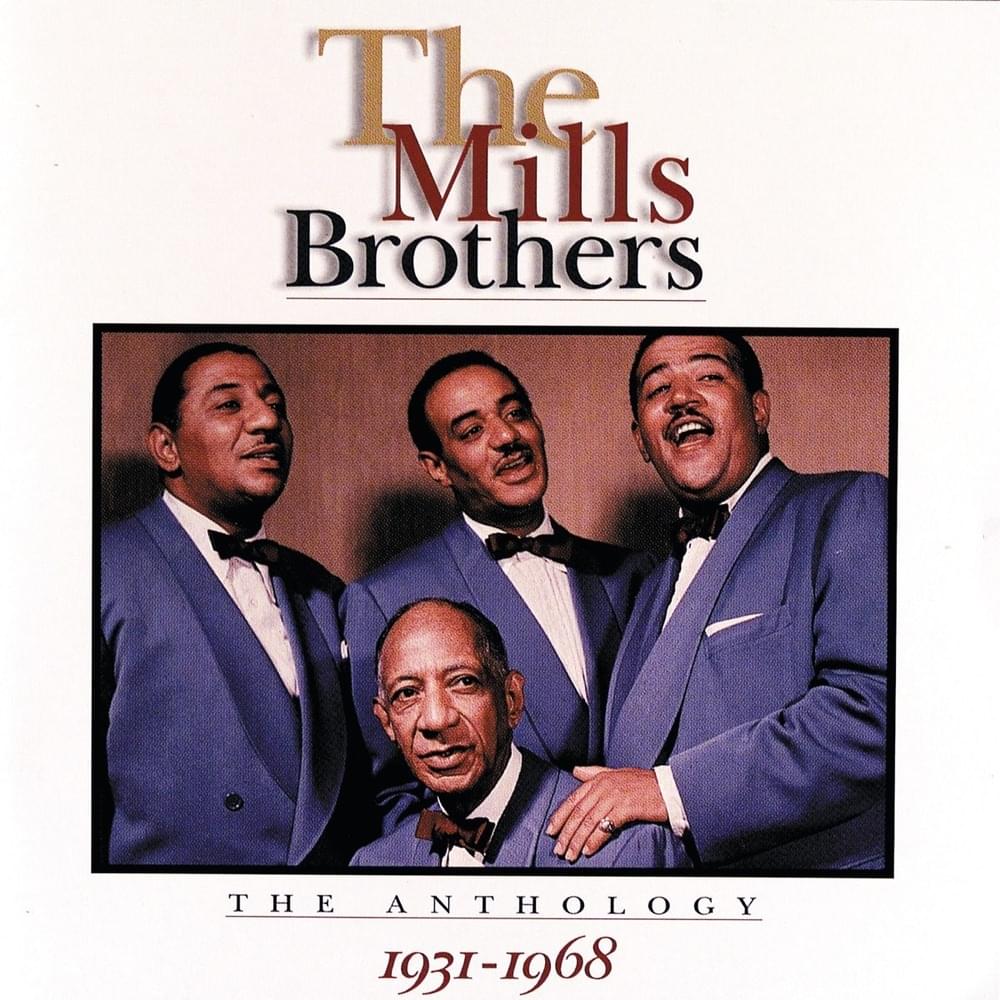
 View Artist