Song Meaning
The lyrics paint a picture of someone stuck in a perpetual state of waiting, even as time marches on. The opening lines, "Years gone by start to show / I still wait for the door to close," immediately establish a sense of stagnation. This isn't just about missing someone; it's about a fundamental loss of self that occurs when they leave, a feeling of being incomplete and adrift.
The central tension lies in the contrast between the relentless passage of time and the narrator's inability to move forward. "Time's a thief and stole the show / Long ago, long ago" suggests a past that has irrevocably shaped the present, leaving the narrator in a state of arrested development. The imagery of "thunder would roll" and "winters rise white as snow" evokes a sense of impending hardship or emotional coldness, intensified by the narrator's own movement, "Right as I turn around to go." This suggests that any attempt to escape or progress is met with external forces that push them back.
The most striking aspect is the recurring phrase, "I don't know myself anymore." This isn't just sadness; it's an existential crisis born from absence. The narrator's identity seems intrinsically tied to the person who is gone, making their departure a complete erasure of self. The line "A wheel for my shoulder" is particularly evocative, suggesting a heavy, burdensome responsibility or perhaps a sense of being forced to carry on alone, a solitary burden.
Ultimately, the effectiveness of these lyrics stems from their raw portrayal of dependency and the disorienting effect of loss. The simple, direct language, particularly the repeated confession of lost identity, creates a powerful emotional resonance. It captures that specific, gut-wrenching feeling of being fundamentally altered by another's presence and absence, leaving the narrator adrift in a landscape of their own making, perpetually waiting for a door that will never truly close.
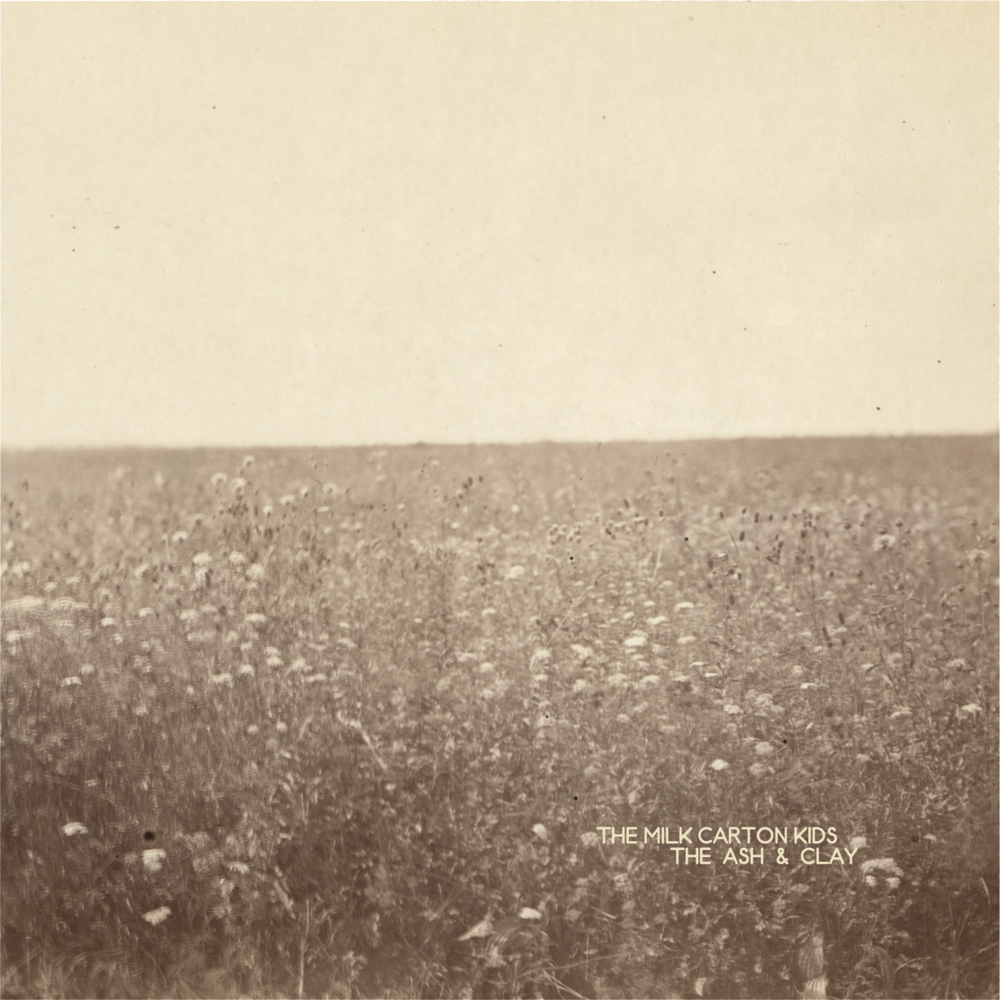
 View Artist