Song Meaning
The lyrics paint a picture of someone feeling a powerful, almost primal urge to leave, a "road call" that echoes an "old refrain." This isn't just a casual trip; it feels like a necessary escape, a journey where "mercy paid" suggests a past debt or burden being settled. The narrator is drawn by an external force, a sense of destiny or guidance, indicated by the repeated phrase "to light the way."
The central tension lies in the conflict between a desire for permanence and the inevitability of departure. The narrator can see the "North Star overhead," a celestial guide, but also from "this bed," grounding the cosmic in the intimate. This duality is amplified in the second chorus, where the narrator claims they "don't fear the world from my two feet," yet the final lines of the song, "How can I say / I'll always stay / And slip away," reveal the underlying truth: staying is impossible, and leaving is the only constant.
The most striking craft element is the juxtaposition of grand, almost epic imagery with deeply personal vulnerability. The "North Star" and the "Milky Way" are vast cosmic elements, yet they are observed from a "bed" and contrasted with the potential for a love that will "reap / The ash and clay / Of Monterey." This contrast highlights the immense forces at play, both external and internal, that compel the narrator's actions and feelings towards this place.
Ultimately, these lyrics resonate because they capture the bittersweet ache of knowing you must move on, even from a place or a love that feels significant. The repeated "slip away" isn't a choice made lightly, but a recognition of an unshakeable truth, making the narrator's connection to "Monterey" both profound and transient. The song suggests that some calls are too strong to ignore, even if they lead to inevitable goodbyes.
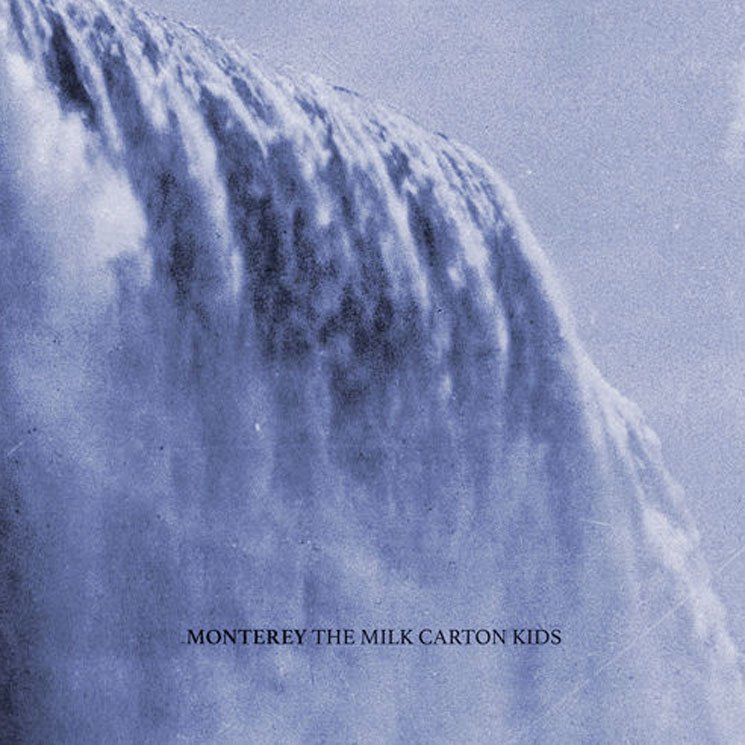
 View Artist