Song Meaning
The lyrics paint a picture of intense emotional friction within a confined, almost claustrophobic space. The narrator expresses a desire for belief and escape, asking "Would you like to leave?" but immediately follows with the frustrating realization that communication breaks down: "When I try to talk, it all just turns out to be." This sets up a palpable tension, a feeling of being trapped with someone whose words, or perhaps actions, are difficult to trust or comprehend.
The central conflict seems to stem from a volatile dynamic, possibly a relationship or a shared intense experience. The repeated image of "Turn on the stove in the little tiny rooms" suggests a brewing, dangerous situation, amplified by the stark contrast between "the knife in your hand to mine." This isn't just an argument; it feels like a shared precipice, a moment where destructive impulses are dangerously close to becoming actions, creating a suffocating internal pressure described as "My head fills with heat."
The narrator’s vulnerability is laid bare in the second verse, admitting, "I know I'm weak; I know that I'm sad." This self-awareness contrasts sharply with the external threat or tension. The desire to "understand" the other person's perspective, to grasp why things "seems so bad," is met with the bleak conclusion that the only perceived "escape from everything" is this destructive cycle. The final, isolated word "Sand" could imply a sense of things slipping away, or a granular, overwhelming feeling.
What makes these lyrics so effective is their raw, unvarnished portrayal of emotional distress and interpersonal danger. The tight, almost suffocating imagery of small rooms and rising heat, coupled with the direct threat of the knife, creates a visceral sense of unease. The narrator's internal struggle – the wish for connection versus the reality of failed communication and personal sadness – makes the external tension feel even more potent and inescapable.
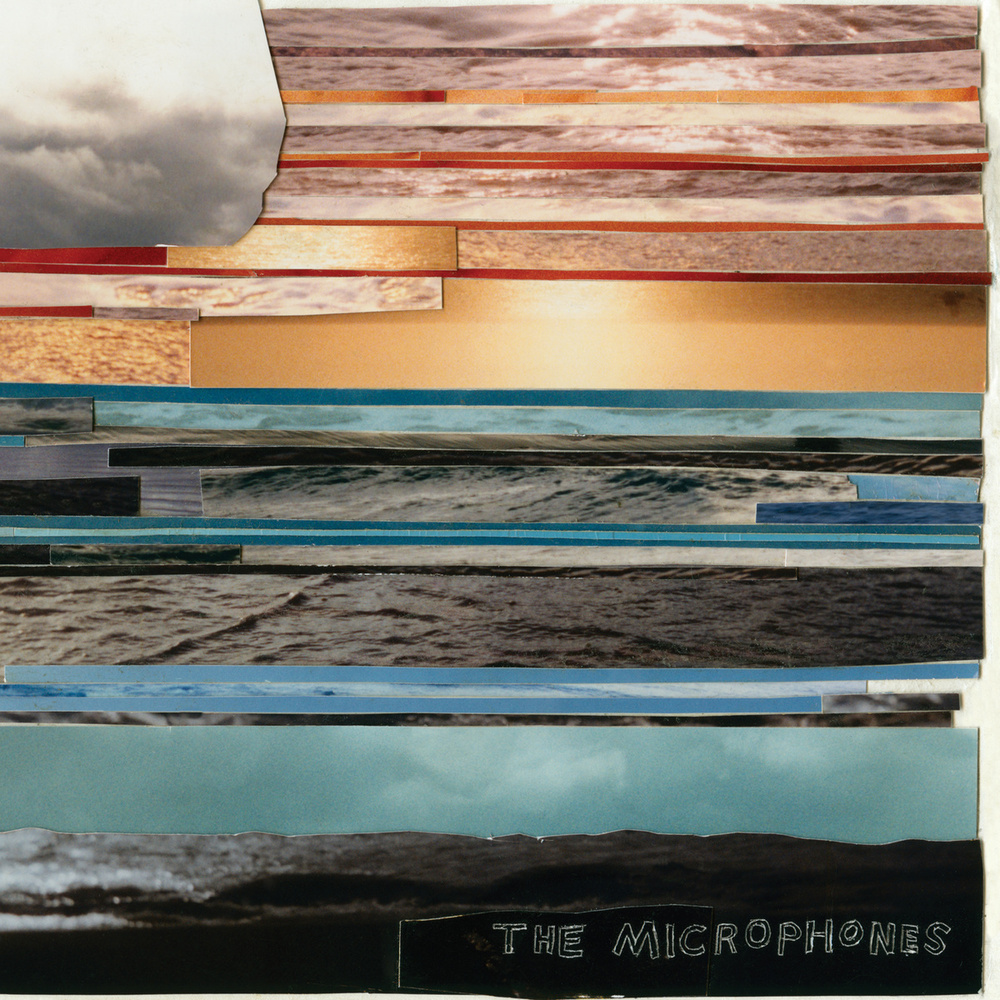
 View Artist