Song Meaning
The lyrics paint a stark picture of emotional exhaustion and detachment, framed by a visceral image of personal damage. The opening lines, "You tore a hole so deep / My leak poured out torrentially," suggest a profound wound inflicted by another, leading to a significant outpouring of something vital. Yet, the immediate follow-up, "But now I'm bored," creates a jarring contrast, indicating a numbing or depletion that renders even intense pain mundane. This suggests a state where past trauma has led to a pervasive apathy, a feeling of being drained to the point of indifference.
The central tension seems to lie in the narrator's attempt to find solace or connection in proximity to someone, despite the evident decay of their relationship. The phrase "So I can be bored near you" is particularly striking, implying that shared boredom has become the only available mode of interaction. The image of "glassy eyes / Locked in contact on the couch with you" further emphasizes this lack of genuine engagement, a passive co-existence rather than active participation. The narrator's hand passing through suggests a complete disconnect, a ghost-like presence in a shared space.
The most compelling aspect of the writing is its unflinching, almost clinical description of emotional breakdown. The metaphor of a "bloody flow" slowing down after a "torrential leak" is a powerful, if grim, depiction of energy or life force being sapped. The idea that something "grew" back after being "torn and thrown" hints at a resilient but perhaps distorted form of recovery, one that doesn't necessarily signify health but a return to a state of being able to endure the current, uninspiring reality. The repeated emphasis on "bored" and "boring face" underscores the profound emptiness that has settled in.
Ultimately, these lyrics resonate because they articulate a specific kind of post-trauma ennui. The raw, physical imagery used to describe emotional states makes the narrator's detachment feel earned, a consequence of severe depletion. The quiet resignation in the outro, "Now we both know what we have to do," implies a mutual understanding of the relationship's terminal state, a shared acknowledgment of the boredom that has consumed them both.
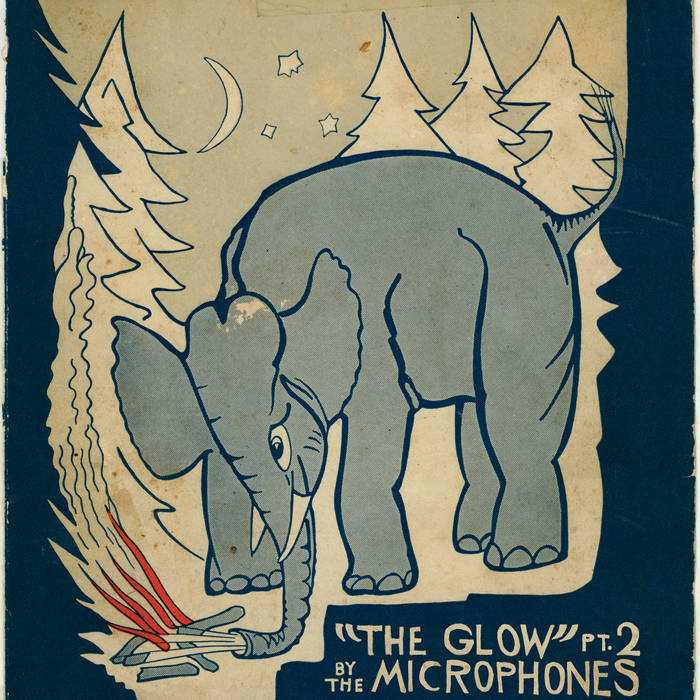
 View Artist