Song Meaning
The narrator expresses a singular desire: a girl who mirrors the one who married his father. This isn't just a casual preference; it's a specific, almost idealized image rooted in paternal adoration. The lyrics paint this desired woman as a "pearl," emphasizing her preciousness and uniqueness in the father's eyes, and crucially, as "the only girl that Daddy ever had." This framing immediately establishes a complex dynamic, suggesting the narrator's ideal partner is inextricably linked to his father's past love.
The core tension lies in this inherited ideal. The narrator seeks a "good old fashioned girl with heart so true," a seemingly innocent wish for loyalty and affection. However, the qualifier "One who loves nobody else but you" takes on a loaded significance when juxtaposed with the opening line. It implies a desire for absolute devotion, perhaps mirroring the perceived singular devotion his father received, or even a wish to replicate that paternal relationship in his own romantic life. The repetition of the central phrase reinforces this singular, almost obsessive focus.
The most striking aspect of the craft is the persistent invocation of "dear old Dad." This isn't just a nostalgic reference; it's the very blueprint for the narrator's romantic aspirations. The lyrics don't explore a desire for a partner based on personal connection or shared experience, but rather one defined by her relationship to his father. The repetition of "just like the girl that married dear old Dad" acts as a mantra, solidifying this paternal echo as the sole criterion for his ideal woman. The outro simply reiterates these core desires, leaving no room for ambiguity about the source of his longing.
This lyrical construction is effective because it taps into a peculiar, almost unsettling, form of romantic fixation. The specificity of the desire – not just *a* girl, but *that* girl, the one who captured his father's heart – creates a palpable sense of inherited longing. The narrator appears to be searching for a reflection of his father's past happiness, projecting an idealized image onto his own future relationships. It’s this deeply personal, yet strangely detached, idealization that makes the simple request so compelling and compelling.
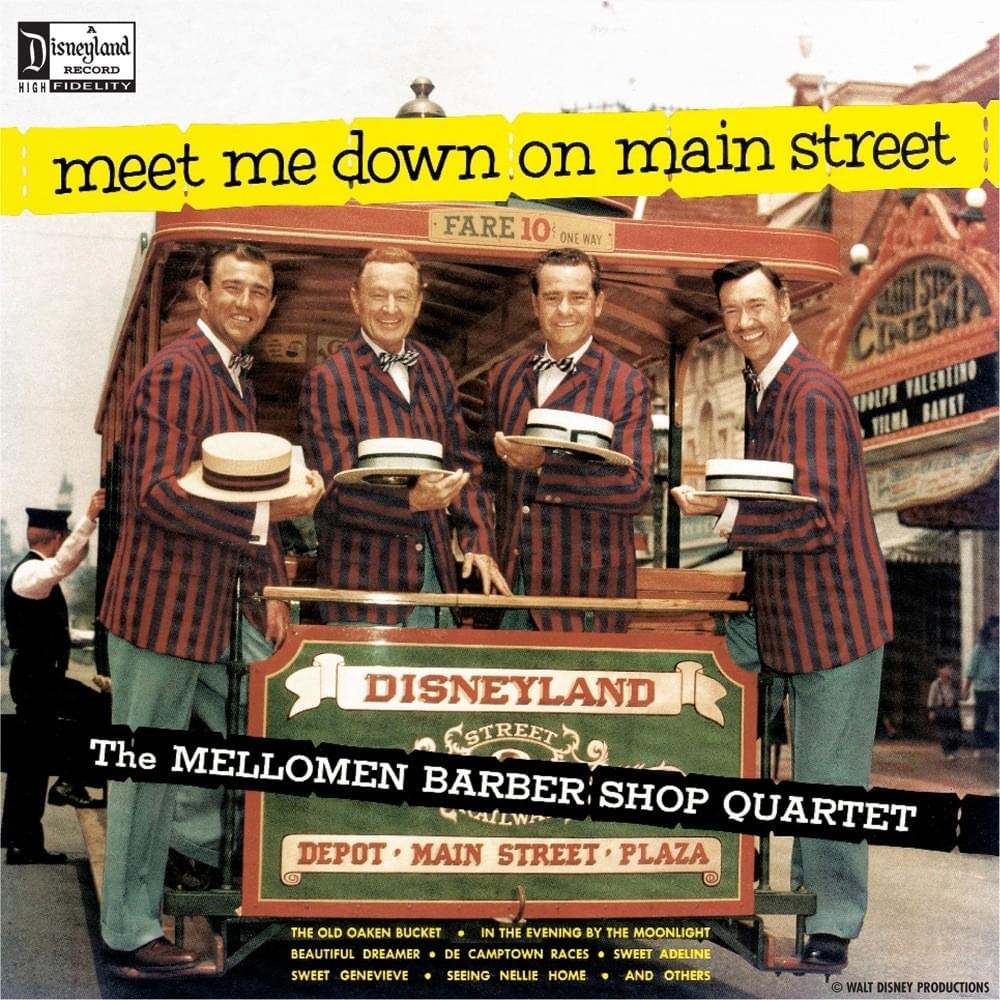
 View Artist