Song Meaning
The narrator finds solace in a dream, a "dream river" where they can be with their love. This nocturnal escape offers a temporary reprieve from a reality where that love is absent. The imagery of floating under the moon and stars suggests a passive surrender to the dream state, hoping celestial bodies might guide them to a waking fulfillment of their desires. It's a plea for the dream to become real, a desperate wish for connection.
The core tension lies between the blissful unreality of the dream and the painful reality of its absence. The narrator explicitly acknowledges, "I know it's make-believe," yet clings to the illusion, begging, "please don't wake me." This highlights a profound loneliness and a deep-seated fear of returning to a world without the beloved, where the dream is the only place they can experience this closeness.
The most striking element is the repetition of the plea, "Don't want this night to end / Don't want to live without you," directly mirroring the insistence to remain asleep. This reinforces the idea that the dream isn't just pleasant; it's a necessary survival mechanism. The dream river itself acts as a potent metaphor for this liminal space, a gentle current carrying the narrator away from harsh truths into a comforting, albeit temporary, embrace.
Ultimately, the lyrics resonate because they capture the universal ache of longing and the powerful human desire to escape pain, even if only through imagination. The simple, direct language and the insistent refrain create an emotional weight that underscores the narrator's desperate hope and their fear of waking up alone. The quiet resignation in "I don't mind" after the repeated pleas to stay dreaming is particularly poignant, suggesting a weary acceptance of their current circumstances.
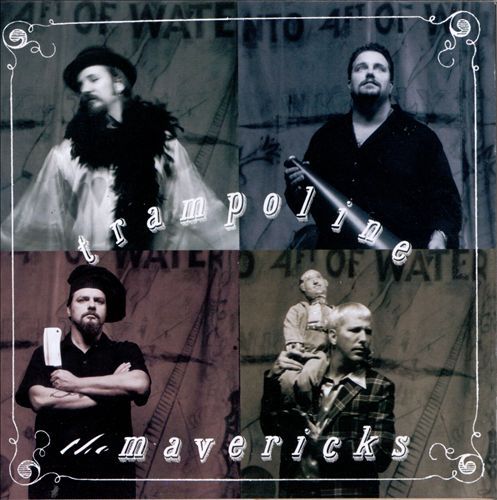
 View Artist