Song Meaning
This track paints a stark picture of enduring heartbreak. The narrator’s love is a constant, a steadfast flame that hasn't flickered since the initial parting. The opening lines establish a timeline of devotion, "I loved you then...I love you still," immediately setting a tone of unwavering sentiment. This isn't a fleeting crush; it's a deep-seated affection that has weathered time and absence, leaving the narrator "resigned myself to feeling blue."
The central tension lies in the narrator's inability to move on, a direct consequence of the profound impact their lost love had. The repeated refrain, "Ain't found nobody...since I lost you," acts as both a statement of fact and a cry of despair. It underscores a profound emptiness, suggesting that no other connection can fill the void left behind. The lyrics explicitly state a lack of desire for new relationships, "Don't really want...somebody new," reinforcing the idea that this loss is singular and irreplaceable.
The craft here is in its directness and repetition. The simple, almost stark, language avoids complex metaphors, mirroring the narrator's straightforward emotional state. The phrase "since I lost you" functions as a temporal anchor, a constant reminder of the event that fractured their world. The contrast between the past "once upon a time...once when you were mine" and the present "As shadows fall...I'm falling too" highlights the devastating descent from happiness into sorrow.
What makes these lyrics hit so hard is their unvarnished honesty about the lingering power of a past love. The narrator isn't seeking pity but stating a simple, painful truth: the absence of one person has rendered all others inadequate. The unwavering declaration, "I love you still," coupled with the repeated, almost resigned, admission of failure to find a replacement, creates a powerful portrait of enduring devotion and profound loss.
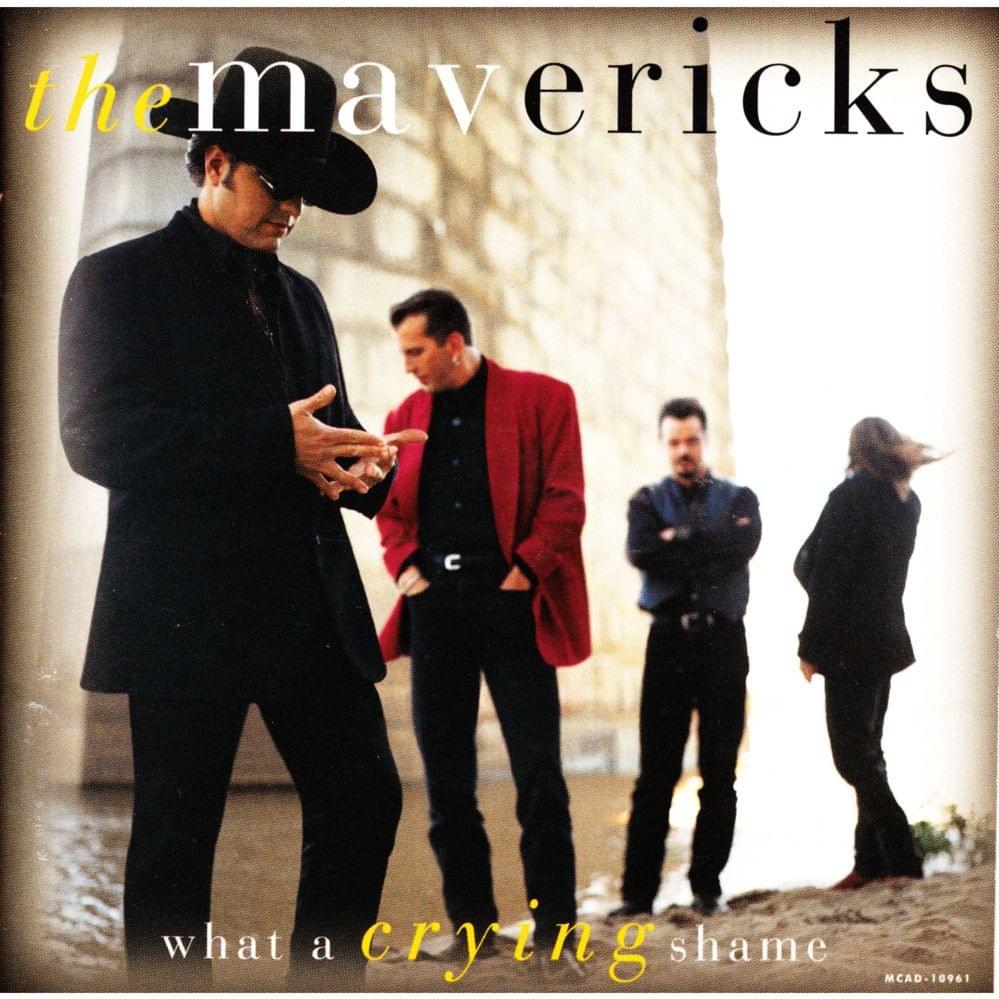
 View Artist