Song Meaning
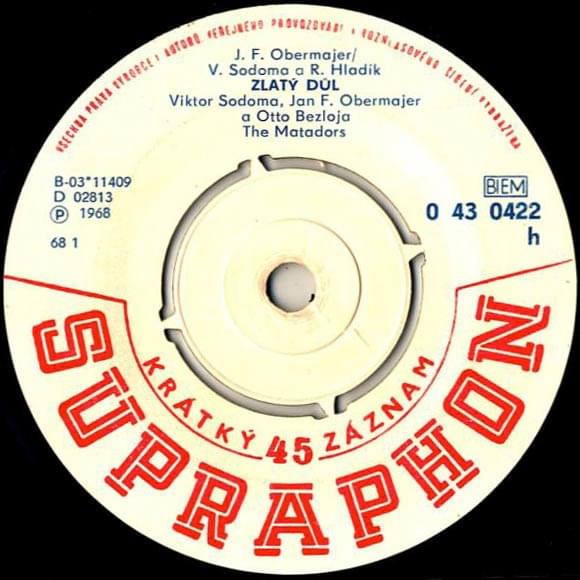
The lyrics paint a picture of someone contemplating a departure, driven by a singular, almost desperate thought of a "golden mine." This isn't about finding riches, but perhaps an idealized escape, a place where happiness is only "half found." The immediate tone is one of resignation, a quiet surrender to an inevitable end. The narrator seems to be on the verge of leaving their current life behind, with the idea of this "golden mine" serving as a final, perhaps illusory, motivation.
The dominant tension arises from the contrast between the desire for escape and the bleak reality it's meant to overcome. The narrator states, "This won't give courage," and the "sky will turn pale," suggesting the escape itself offers no solace, only a fading light. The "dark shadow" drowning the soul and the feeling that "fate will take everything" amplify this sense of impending loss. It's a departure born not of hope, but of despair, a final act before all is lost.
The recurring phrase "S myšlenkou na zlatej důl" (With the thought of a golden mine) acts as a haunting refrain, anchoring the narrator's state of mind. This isn't a triumphant march towards fortune, but a melancholic echo of a dream that offers little real comfort. The lyrics suggest a profound internal struggle, where the idea of a "golden mine" is less a destination and more a coping mechanism for an unbearable present. The repeated assertion that happiness was only "half found" underscores the unfulfilled nature of this pursuit.
What makes these lyrics resonate is their stark portrayal of quiet desperation. The narrator isn't raging against their fate but accepting it with a chilling calmness. Phrases like "No more deep sorrow" and "I can laugh one last time" indicate a finality that is both sad and strangely peaceful. The closing lines, "He leaves for elsewhere. He is his own. / With the thought of a golden mine," suggest a definitive, albeit somber, self-determination in the face of overwhelming odds.
 View Artist