Song Meaning
The narrator acknowledges the oddity of their situation, admitting, "It's strange, I know." They're leaving someone behind, a departure they regret but feel is inevitable due to a love that has "faded, faded away." This fading wasn't sudden but occurred during the other person's absence, a prolonged period marked by silence and perceived indifference.
The core conflict arises from the narrator's internal struggle and external circumstances. The absence of contact, specifically "You didn't write or even call," led the narrator to believe they were uncared for, fostering a deep sadness. This emotional void seems to have created space for a new connection, even as the narrator confesses a strong internal resistance to it, repeatedly stating, "oh how I tried to resist him." Yet, their heart ultimately compelled them to embrace this new person.
The lyrics highlight a stark contrast between the narrator's past devotion and their present actions. They were once the "same boy who's fella to me," implying a deep, committed relationship. Now, they are actively choosing to leave, and the anticipation of the other person's return is met with the announcement, "When you get home, I'll be gone." This is further solidified by the detail of becoming "Eddie's bride," a definitive step that seals the narrator's departure and the end of the original relationship.
This narrative's effectiveness lies in its direct, almost resigned tone. The repeated phrase "that's the way it goes" acts as a mantra, a way of accepting a painful but seemingly unavoidable outcome. The confession of trying to resist the new love, only to be swayed by their heart, adds a layer of complex, relatable human emotion to what could otherwise be a simple story of infidelity. It captures the messy reality of how circumstances and emotional needs can lead to decisions that are difficult to explain, even to oneself.
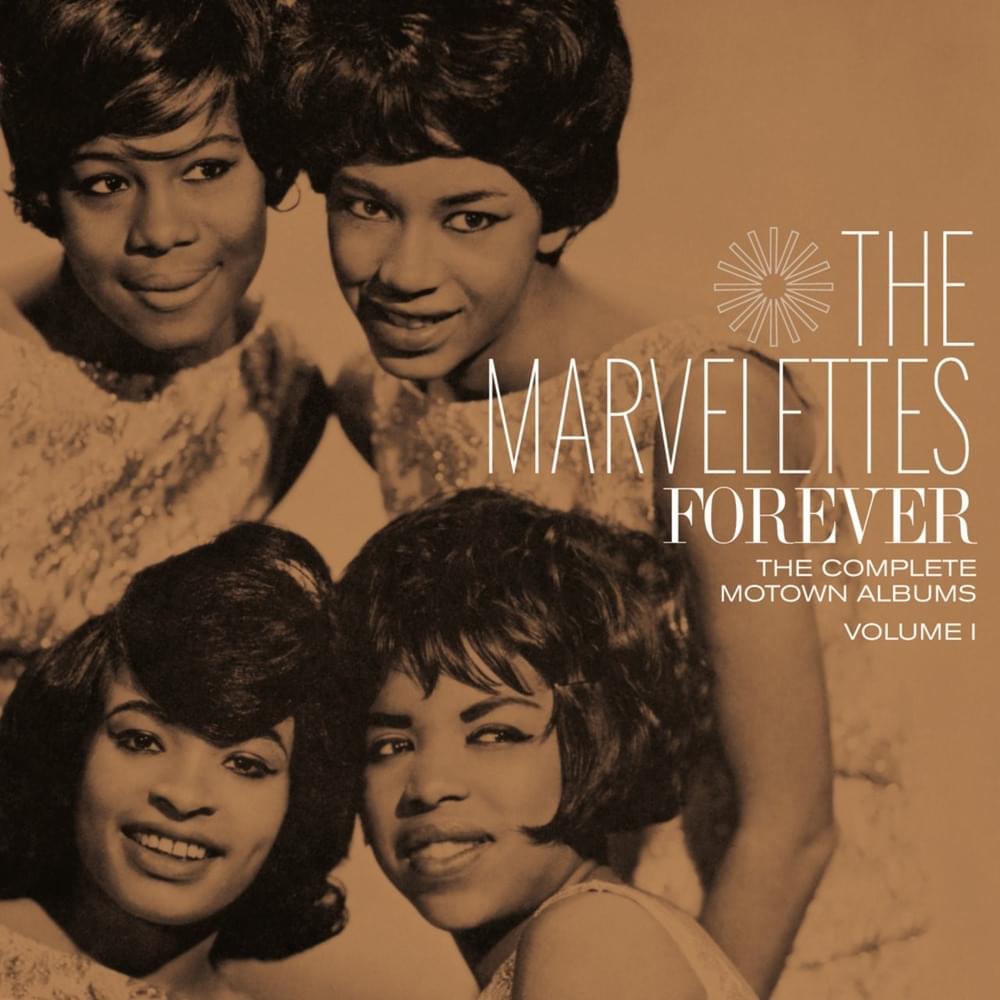
 View Artist