Song Meaning
The lyrics paint a bleak picture of a world steeped in corrupted spirituality and a loss of authentic connection. The opening lines immediately establish a sense of cynical commerce surrounding faith, where souls are bought with "pennies in the god machine" and religious figures are "fake messiahs" peddling "dead religion." There's a palpable feeling of disillusionment, a sense that genuine meaning has been replaced by hollow rituals and empty pronouncements, leaving a void where a "wild tribe" should be.
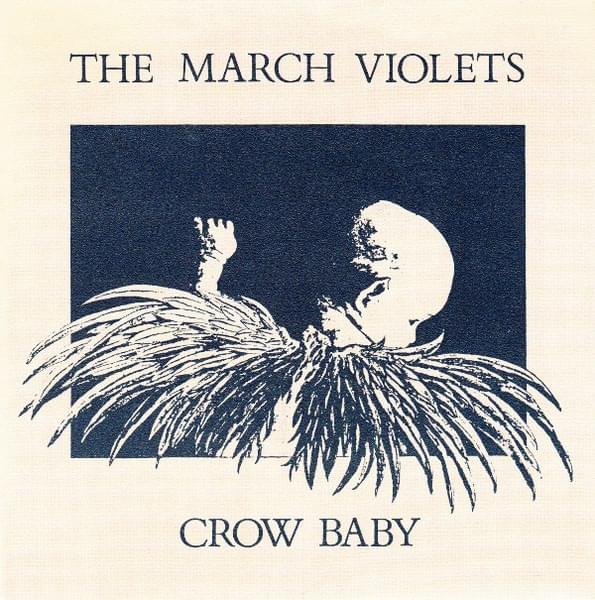
The central tension seems to revolve around a desire to escape this manufactured reality and return to something primal and pure, evoked by the recurring "crow" imagery. The chorus, "Back to the crow, back to the stoneage," suggests a yearning for a more fundamental existence, free from the "falsify" and "powerdeath" of the current spiritual landscape. This isn't necessarily a literal desire for primitive times, but rather an impulse to shed the layers of artificiality and find a raw, unadulterated state of being, symbolized by the "crow baby" that is urged to "fly."
The most striking element is the juxtaposition of the ancient and the corrupted. The "stoneage" and the "crow" represent a natural, perhaps even spiritual, origin, while the "god machine" and "dead religion" signify a fallen, commercialized present. The repeated phrase "you're still waiting" in various contexts, especially after the critique of the "god machine," implies a passive acceptance of this degraded state, a failure to break free from the "noose of words" that binds individuals. The narrator appears to be observing this stagnation with a mix of disdain and a desperate plea for transcendence.
This lyrical construction is effective because it taps into a deep-seated unease with modern institutions, particularly those that claim spiritual authority but seem to operate on transactional principles. The stark, almost guttural imagery of "crow baby" and "stoneage" offers a powerful counterpoint to the sterile, cynical language of "powerdeath" and "god machine." It's this contrast that creates the emotional weight, suggesting that true liberation lies not in further complex systems, but in a radical return to something elemental and untamed.
 View Artist