Song Meaning
The narrator is caught in a suffocating present, where time itself feels distorted and oppressive. The opening lines immediately establish a sense of dread, with days stretching out endlessly and a profound uncertainty about whether this state will ever cease. This isn't just boredom; it's a deep-seated anxiety about the future and one's place within it, questioning personal significance. The shift from 'longer' to 'darker' days amplifies this feeling, painting a picture of growing despair.
The core tension here revolves around a desperate yearning for connection and a resolution that remains perpetually out of reach. The question 'Will I ever be important part?' reveals a deep insecurity, while the repeated plea, 'When will we know / That our hearts elope in slow mo?' suggests a desire for a profound, shared moment of union that feels agonizingly delayed. This longing is further emphasized by the repeated confession of being 'weakling for your love,' indicating a vulnerability and dependence that intensifies the feeling of waiting.
The most striking aspect of the writing is the relentless repetition of 'When will we wake up?' This refrain acts as a desperate cry for liberation, a plea to break free from the current stagnant reality. The gradual shortening of the phrase from 'wake up' to 'wake' and back again creates a sense of urgency, like a mantra building in intensity, yet never quite finding its release. It’s a powerful sonic representation of being trapped in a cycle of anticipation without fulfillment.
Ultimately, the lyrics resonate because they tap into a universal feeling of being stuck, of waiting for life to truly begin or for a significant relationship to fully blossom. The simple, direct language and the escalating repetition make the narrator's existential ache palpable. The song captures that specific, heavy feeling when the present feels unbearable and the future is an opaque, daunting question mark.
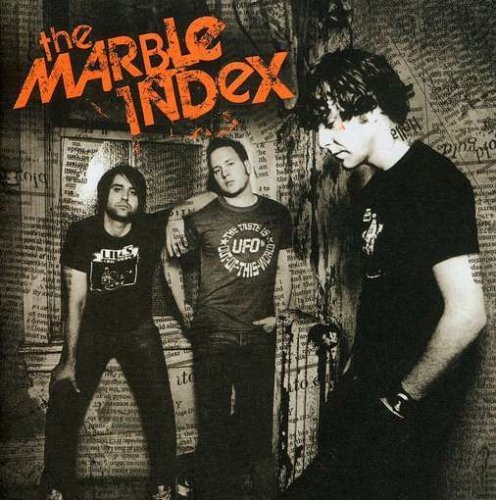
 View Artist