Song Meaning
The lyrics paint a picture of a relationship teetering on the edge, marked by a profound disconnect. The narrator questions the sincerity of love and need when one person is absent or unreachable, highlighting a fundamental lack of presence and reliability. This isn't a dramatic breakup scene, but a quiet unraveling where words fail to bridge the growing chasm. The repeated questioning, "How can someone tell you...?", sets a tone of weary disbelief.
The central tension lies in the narrator's forced acceptance of a departure, even while acknowledging the other person's desire to leave. There's a clear indication that the other person has found something or someone else, a fact the narrator wishes to avoid dwelling on, stating, "But that is something we won't mention." This avoidance, coupled with the plea, "Just don't act like it's the end of the world," suggests a desperate attempt to manage the pain and avoid a more explosive confrontation. The narrator is trying to convince themselves, and perhaps the other person, that this isn't a catastrophic event.
The most striking element is the persistent, almost defiant refrain, "I'm alright by now." This phrase, repeated throughout the latter half of the lyrics, acts as a mantra against the backdrop of relationship decay. It’s a declaration of self-preservation, a claim of resilience in the face of emotional turmoil. The contrast between the external circumstances – "everything has just gone apart," "everything you say are the wrong words" – and the internal assertion of being "alright" creates a powerful sense of internal struggle and a determined, if fragile, recovery. The shift from "It's not me" to "It's not you" further emphasizes the narrator's attempt to externalize blame or simply to detach from the shared responsibility of the relationship's failure.
Ultimately, these lyrics resonate because they capture the quiet, internal work of moving on when a relationship is dissolving, rather than ending with a bang. The effectiveness comes from the narrator's attempt to construct a sense of peace through repetition and self-assurance, even as the surrounding details suggest deep hurt and confusion. The writing grounds the emotional impact in specific, relatable moments of doubt and the subsequent effort to reclaim one's own well-being, making the declaration of being "alright" feel earned, even if it's still a work in progress.
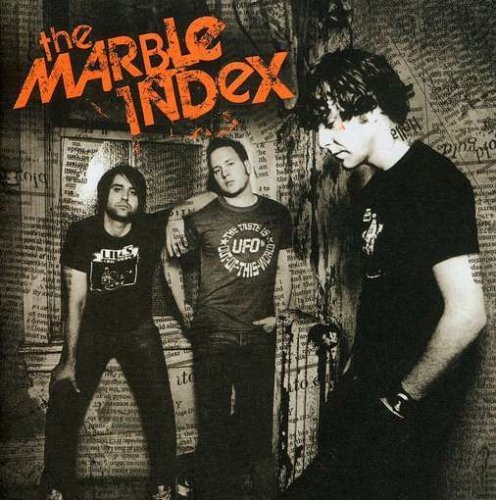
 View Artist