Song Meaning
The narrator draws a stark, almost clinical line between physical attraction and emotional connection. The core declaration, "I love your body but not your soul," is repeated with an insistent, almost desperate energy. This isn't a nuanced exploration of love; it's a blunt, self-aware admission of prioritizing the superficial. The opening lines, "It's better not to see into your soul / So I don't want you, because I know," suggest a deliberate choice to avoid deeper intimacy, perhaps out of fear or a perceived inability to handle it. This creates an immediate tension: a desire for connection that is simultaneously rejected at its most profound level.
The lyrics reveal a narrator who seems to be performing a version of confidence or indifference, even to themselves. They claim to "tell everybody that you gave me a kick," projecting an image of casual conquest or excitement. However, this bravado is immediately undercut by the admission, "But sometimes... I play myself a trick." This internal conflict highlights the fragility of their stance. The narrator is aware of their own self-deception, recognizing that this compartmentalization of desire might be a defense mechanism rather than a genuine preference.
The most striking aspect of the writing is its stark, almost brutal simplicity. There's no elaborate metaphor or complex imagery, just the direct, repeated assertion of a divided affection. The repetition of "not your soul" in the outro, layered with vocalizations, amplifies the obsessive quality of this fixation. It’s as if the narrator is trying to convince themselves through sheer force of vocalization that this separation is real and sustainable, even as the raw sound suggests an underlying emotional turmoil.
Ultimately, the effectiveness of these lyrics lies in their unvarnished portrayal of a specific, uncomfortable truth about desire. The narrator’s self-awareness, coupled with their apparent inability to reconcile physical attraction with deeper emotional engagement, creates a compelling, albeit bleak, portrait. It’s this raw honesty about wanting something without fully committing to its complexities that makes the song resonate, capturing a particular kind of modern detachment.
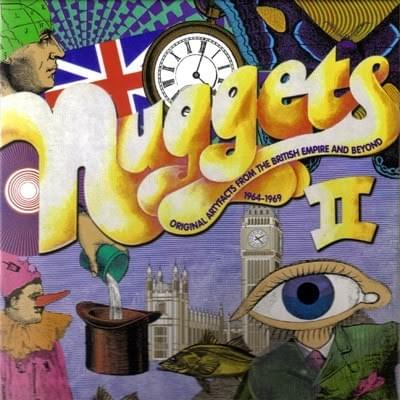
 View Artist