Song Meaning
The lyrics paint a picture of older individuals embracing new beginnings, specifically in romance, defying societal expectations. The opening lines, "Old fools, dancing / Old fools that believe that they can dance and sing / And fall in love," immediately set a tone that acknowledges a perceived foolishness in their actions, yet frames it as a hopeful, active pursuit. This isn't about regret, but about a conscious choice to engage with life and love despite age.
The central tension lies in the contrast between the "old" and the "new." We see "old wines, old shoes" and "old lines," suggesting established, perhaps predictable, elements of life. However, these are juxtaposed with "new lives" and "new romancing," indicating a fresh start. The repeated phrase "Old fools, new lovers" encapsulates this core idea: the same individuals, now labeled with a term that implies past experience or even naivete, are embarking on something entirely fresh and exciting.
The craft here is in the deliberate repetition and the subtle subversion of expectations. The phrase "Old fools" is repeated, but its context shifts from a potentially dismissive observation to an empowering self-identifier. The seemingly cliché romantic gestures like "Flowers, long drives" are presented not as tired tropes, but as elements of a "new life." The lyrics suggest that the rules governing romance are not fixed, as "Old rules take a backseat to new romancing," allowing for a genuine, perhaps unexpected, blossoming of affection.
This approach is effective because it reframes the idea of aging and love. Instead of seeing age as a barrier to passion or new experiences, the lyrics present it as a foundation upon which new chapters can be built. The repeated "I love you / Surprise, I love you" implies a genuine, perhaps even startling, rediscovery of love, making the "old fools" feel vibrant and alive in their pursuit of connection.
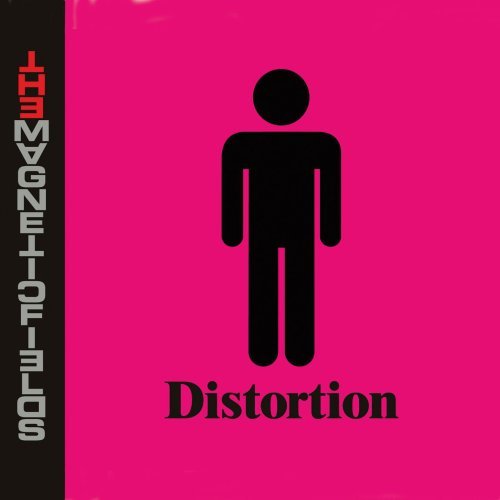
 View Artist