Song Meaning
The lyrics immediately plunge into a cynical view of romantic deception. The speaker laments the pervasive nature of "lovers' lies," wishing for a wisdom that would allow them to dismiss these falsehoods, even if it meant being alone. There's a palpable weariness with the predictable patterns of romantic untruths, suggesting a past filled with such experiences.
A core tension emerges between the desire for wisdom and the inescapable pull of these deceptions. The speaker acknowledges that "a strong sense of the absurd's / No defense from lovers' words," suggesting that even intellectual awareness of the ridiculousness of these untruths offers no real protection. This creates a sense of helplessness against an almost magnetic force of romantic rhetoric, where logic seems to crumble in the face of emotional sway. The lyrics imply a frustrating cycle where knowing better doesn't mean doing better.
The stark, repetitive declaration "Every word a lie" is particularly cutting, forming the emotional core of the piece. By pairing "say" with "sigh" and "crow" with "cry," the lyrics suggest that *all* forms of expression—from the boastful to the vulnerable—are tainted with deceit. This isn't just about overt falsehoods; it's a profound distrust that sees even genuine emotion as a potential manipulation. The narrator appears to be so jaded that every utterance from a lover is filtered through a lens of inherent untruth.
The effectiveness lies in the progression from weary resignation to a desperate plea. Initially, lies are something to "roll our eyes" at, but by the end, they're "only lullabies" that the speaker yearns to drown out. This shift reveals a character trapped in a cycle of being lulled by comforting untruths, despite their intellectual understanding. The final request for a "sound to drown out" these lies becomes a poignant, almost desperate cry for liberation from a self-imposed blindness.
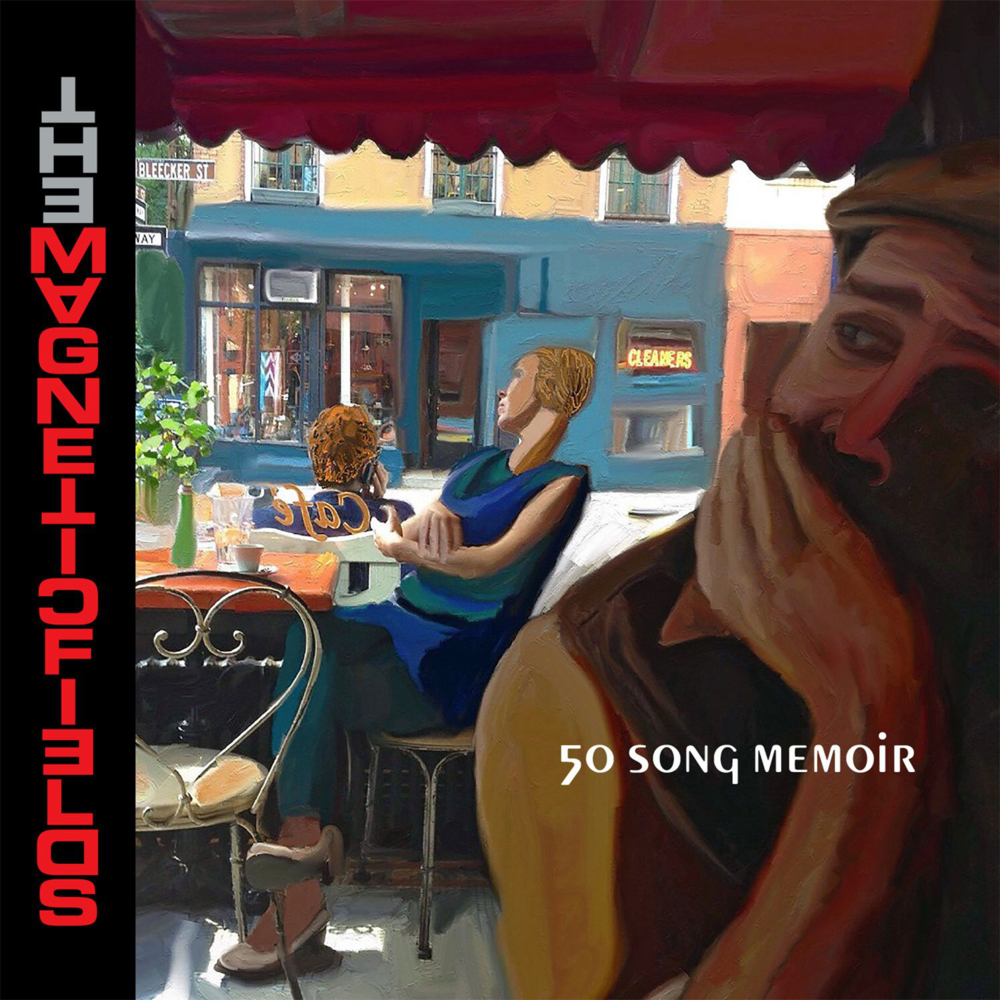
 View Artist