Song Meaning
The narrator grapples with a profound realization of being deceived, a state that has rendered them physically and emotionally paralyzed. The opening lines immediately establish a sense of regret and self-recrimination: "I must have been blind," admitting a failure to perceive the truth, which is later clarified as seeing through "your lies." This blindness led to a deep-seated fear, described as "fear in my bones," manifesting as an inability to escape the confines of their bed. The repeated phrase "I can't get out of bed" acts as a visceral anchor for this overwhelming inertia.
The central tension lies in the narrator's struggle between acknowledging their past errors and the paralyzing aftermath. They confess, "I was wrong, I was wronged," a duality that suggests not only personal misjudgment but also victimization. This internal conflict is amplified by the paradoxical state of being "lost but now i'm found," hinting at a potential for growth or a new understanding emerging from the wreckage. Yet, this newfound clarity doesn't offer immediate relief, as the physical immobility persists, underscored by the anxious "toss, look at me turn."
A striking element is the repeated, almost mantra-like, reassurance: "Don't be scared, don't be scared / Of losing something that you never had." This phrase, delivered with a sense of urgency, seems directed both inward and outward, perhaps to the person who caused this pain. It highlights the absurdity of fearing loss for something that was never truly possessed, a poignant observation on the nature of illusion and attachment. The shift from "your eyes" to "your lies" and then to "she said" subtly expands the scope of the betrayal, suggesting a complex web of deceit.
Ultimately, the lyrics resonate because they capture the disorienting experience of having one's reality shattered. The raw admission of fault, coupled with the persistent physical manifestation of emotional distress, creates a powerful portrait of vulnerability. The narrator's struggle to reconcile past blindness with present paralysis, all while attempting to process the idea of losing something never truly owned, makes for a deeply affecting, if somber, reflection on deception and its lingering effects.
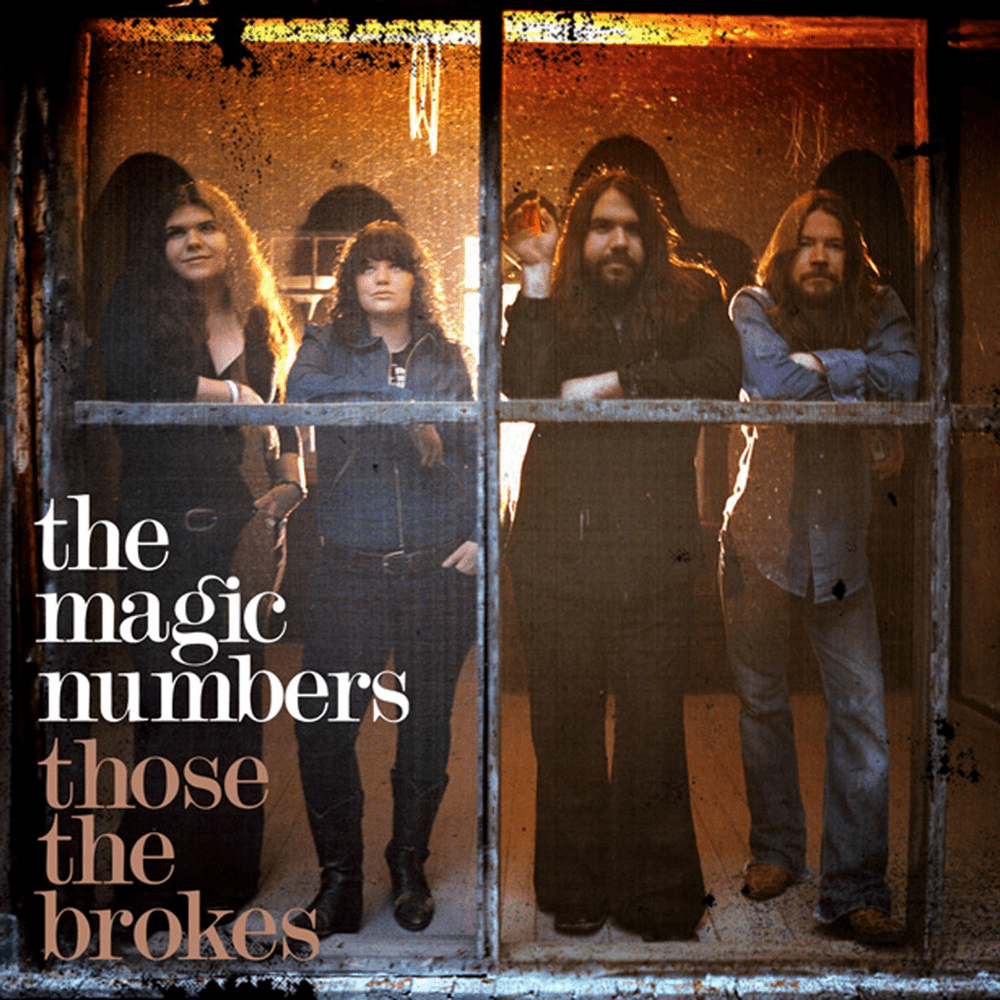
 View Artist