Song Meaning
The lyrics paint a picture of someone deeply conflicted, yearning for connection but seemingly paralyzed by an internal barrier. The repeated phrases "you want to love / But you don't know how" and "you want to feel / But you're not allowed" establish a core tension between desire and an imposed, or self-imposed, restriction. This isn't just about romantic love; it's a broader inability to engage emotionally, to express vulnerability, or to offer oneself to others. The narrator observes this internal struggle, posing the central, urgent question: "When you gonna let somebody in?"
The dominant emotional landscape is one of frustrated longing and a sense of being trapped. The narrator lists a series of unmet desires – to love, to feel, to cry, to give – all prefaced by a qualifier that suggests an internal blockade. Phrases like "you're not allowed" and "you're not that kind" hint at a deeply ingrained pattern of self-protection, perhaps stemming from past hurts or a learned emotional detachment. The repetition of "you don't know why" when wanting to cry underscores a profound disconnect from one's own emotional experience.
The most striking aspect of the craft here is the insistent, almost accusatory repetition of the core desires and the central question. The structure builds a sense of urgency, as if the narrator is pleading with the subject to break free from this self-imposed isolation. The slight variation from "you're not allowed" to "you don't know how" in the final stanza suggests that the inability to connect might be less about external prohibition and more about a fundamental lack of learned emotional tools, a more complex and perhaps more tragic predicament.
This lyrical approach is effective because it taps into a universal human experience of wanting closeness but fearing the vulnerability it requires. The direct address and the simple, declarative statements create an intimate, almost confrontational tone. The repeated emphasis on what the subject *wants* but *cannot do* highlights the painful gap between inner desire and outward expression, making the plea to "let somebody in" feel both deeply personal and universally resonant.
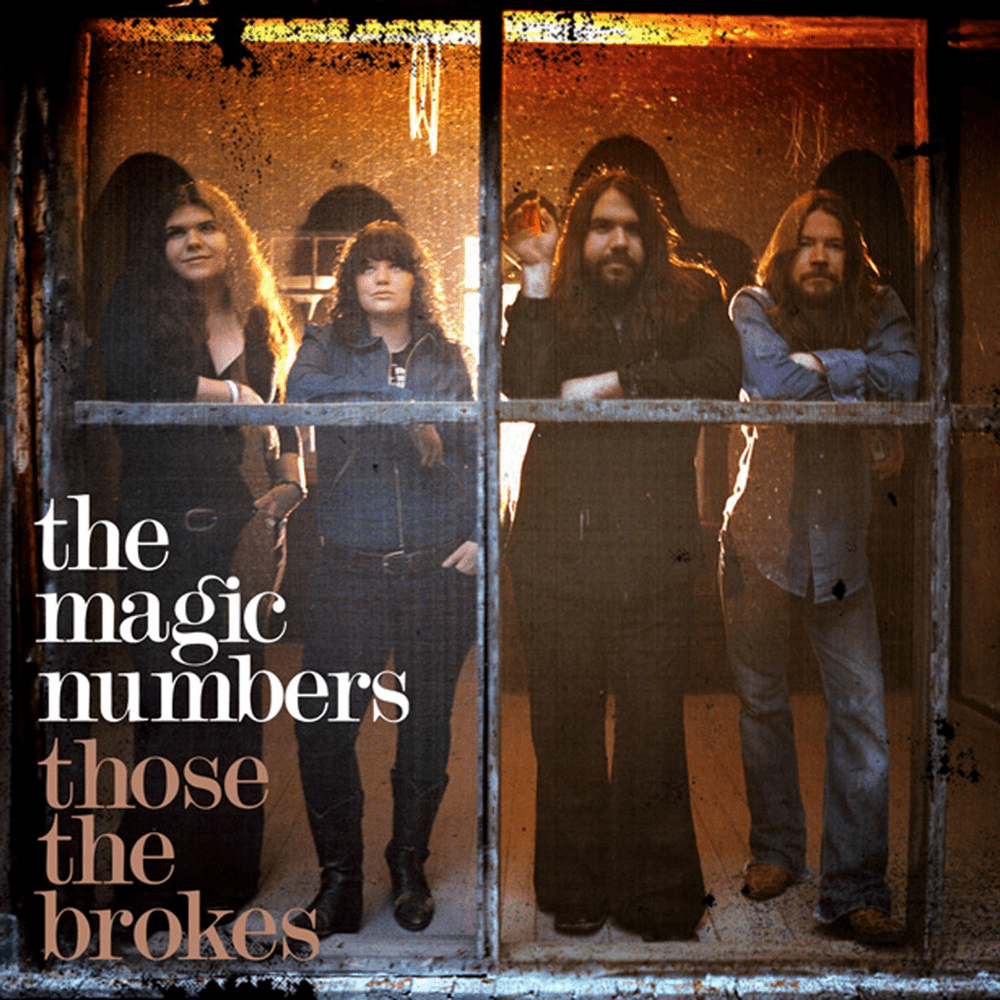
 View Artist