Song Meaning
The lyrics paint a stark picture of something lost or irrevocably changed, contrasted with a past innocence. The opening lines establish a clear distinction: "Never as a child / Would you give this time of day." This suggests a youthful disregard or an inability to perceive something that is now all-consuming. The narrator recalls a time when this 'thing' was taken "from the shadows" and given "another name," implying it was perhaps something abstract, imagined, or less potent in childhood.
The core of the song's emotional weight lies in the devastating realization: "Now it's all that's left." This refrain, repeated insistently, hammers home a sense of depletion and finality. Whatever this presence is, it has supplanted everything else, leaving only this singular, overwhelming residue. The description of its effect – "awful gentle takes you / And it awful slowly leaves" – is particularly poignant. It's not a violent intrusion but a pervasive, insidious force that grips and lingers, creating a "weight I wouldn't wish upon."
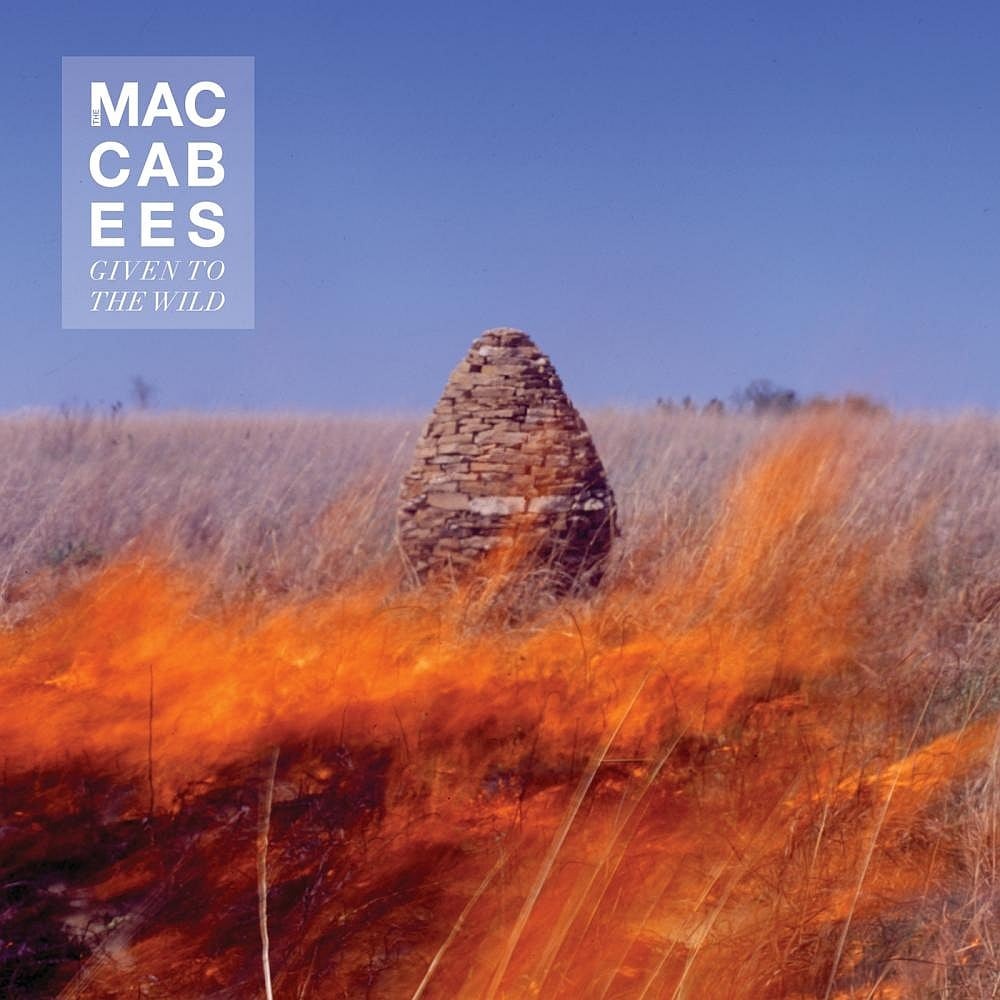
The shift in perception is further emphasized by the stark contrast between the past and present. The childhood self was oblivious, but now, "Now it's so vivid." This intensity, this sharp clarity of the present state, is a direct consequence of its all-encompassing nature. The phrase "Given to the wild" suggests a loss of control, a surrender to forces beyond the narrator's grasp, further solidifying the feeling of being overwhelmed by this singular, vivid remnant of what was once perhaps only a shadow.
Ultimately, the lyrics resonate because they capture the profound ache of absence and the suffocating presence of what remains. The meticulous repetition of "Now it's all that's left" functions like a mantra of despair, while the gentle yet inescapable grip of the unnamed 'thing' creates a deeply unsettling emotional landscape. It's the quiet devastation of realizing that the past is gone, and the present is defined solely by its haunting echo.
 View Artist