Song Meaning
The lyrics paint a somber picture of a young man, Charlie, heading to war. The opening plea, "Charlie boy, don't go to war," immediately establishes a tone of dread and concern. It grounds Charlie's birth year, '44, in a historical context, suggesting a generation shaped by conflict and perhaps influenced by the optimism of figures like Kennedy, who "made him believe we could do much more." This sets up a poignant contrast between youthful idealism and the harsh reality of military service.
This is underscored by the address to Lillian, presumably Charlie's mother, who is urged not to "hang your head." The lyrics suggest that love should be a source of strength, even as she raised a "man who volunteered to stand." This highlights the internal conflict of pride in a son's sacrifice versus the pain of his departure and potential loss. The repeated interlude of "Woah-oh-oh" acts as a mournful refrain, amplifying the underlying sorrow.
The chorus is particularly striking in its juxtaposition of celebratory and funereal imagery. "Play the bugle, play the taps" are clear signals of a military funeral, yet they are paired with the directive to "Make your mothers proud" and "Raise your rifles to the sky, boys, fire that volley loud." This creates a chilling ambiguity: is the volley a salute to the living, or a final, defiant act for the fallen? The lyrics suggest the latter, especially when contrasted with the later mention of "mourn our loss."
The final verse solidifies the tragic arc, describing "The news was bad on Upland Ave." This specific location grounds the widespread grief, indicating that Metuchen is a community in mourning. The image of "sons rebelled, while fathers yelled and mothers clutched the cross" powerfully captures the generational divide and the desperate, fearful faith of parents facing the ultimate consequence of war. The song's effectiveness lies in its ability to evoke profound sadness through these specific, yet universally understood, images of sacrifice and loss.
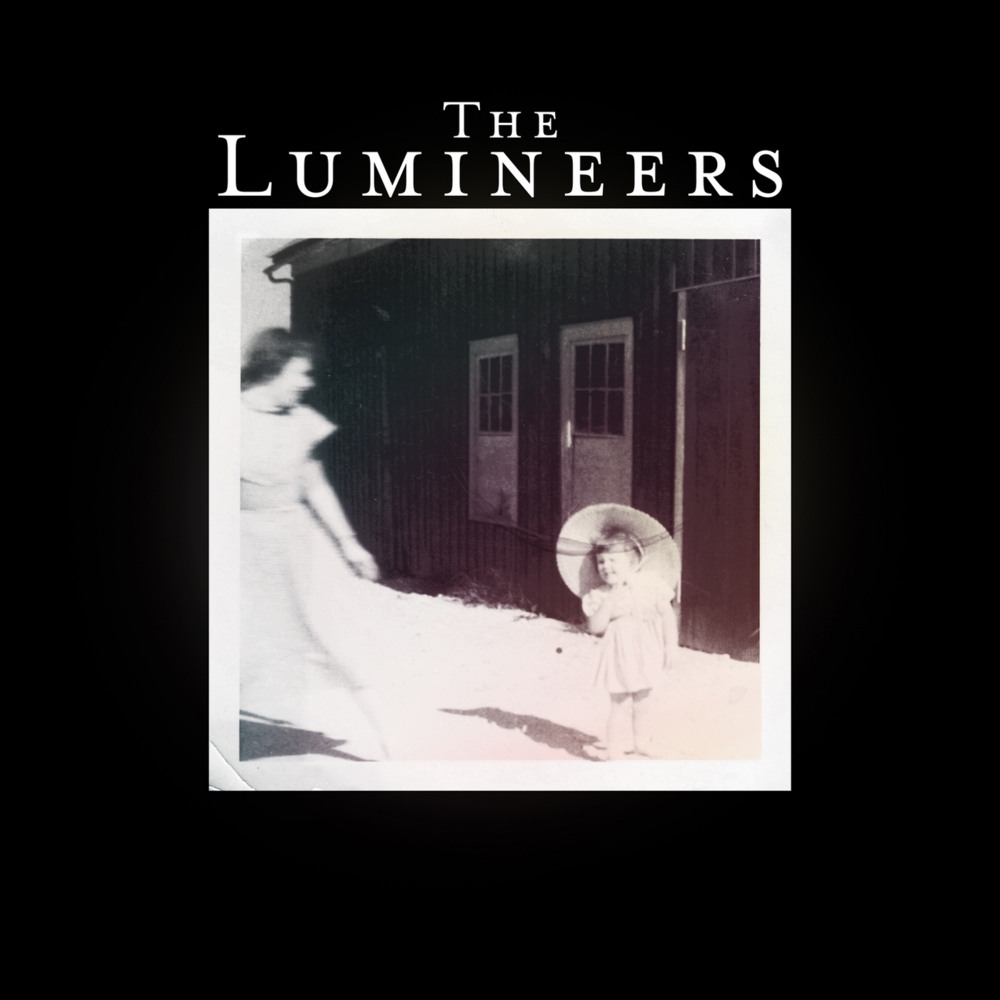
 View Artist