Song Meaning
The lyrics paint a stark portrait of a working man, Charlie Brown, whose life is defined by relentless labor and quiet sacrifice. He returns home late, missing his children's waking hours, his sole focus on providing for them. This routine is underscored by a pervasive sense of melancholy, a feeling that his efforts, while necessary, come at a significant personal cost. The contrast between the external 'storm' and the internal 'tears' highlights his hidden emotional burden.
The central tension lies in the perceived sadness of a life dedicated to duty. The repeated question, "Aren't you glad you're inside?" delivered while he's by the fireside with growing storms outside, feels less like a genuine inquiry and more like a rhetorical lament. It suggests a deep-seated weariness, a longing for something more than just the cycle of work and rest, even as he acknowledges the security he provides.
The most striking element is the almost passive observation of Charlie's plight, framed by the recurring, almost accusatory question: "What a quiet life he's had / Don't you think it's very sad?" This refrain acts as a judgment, forcing the listener to confront the emotional emptiness beneath the surface of a seemingly stable existence. The lyrics don't offer solutions, only the stark reality of his weekly grind and the fleeting joy of his single day off, which is itself overshadowed by the encroaching darkness.
Ultimately, the effectiveness of these lyrics stems from their unvarnished depiction of a common struggle. The simple language and repetitive structure mirror the monotony of Charlie's life, making his quiet desperation palpable. It’s the quiet ache of a life lived on autopilot, where the "graft and grime" of existence leave little room for personal fulfillment, a sentiment that resonates in its understated portrayal of unfulfilled longing.
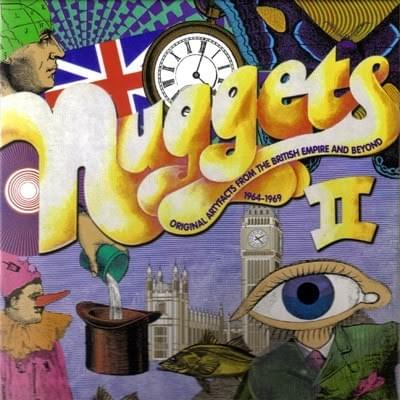
 View Artist