Song Meaning
This song paints a vivid picture of facing the end of life with a profound sense of peace, not through personal strength, but through divine companionship. The narrator anticipates a moment of transition, a final river crossing at the "ending of day," where sorrow has ceased. The central promise is that this ultimate journey won't be solitary, as a divine presence will be there to guide them.
The core tension lies in the contrast between the overwhelming nature of life's finality and the comforting assurance of not facing it alone. The "river" and "billows of sorrow" represent immense, potentially frightening challenges, but the lyrics counter this with the steadfast presence of "Somebody waiting" and "Christ the Savior." This divine figure is presented as a constant, a protector who "will care for His own" and "keep" the soul until the very end.
The most striking aspect of the craft is the relentless repetition of the phrase "I won't have to cross Jordan alone." This refrain acts as an anchor, reinforcing the central message with each iteration. The imagery of the "Jordan" itself, a biblical reference to the boundary between the earthly and the promised land, imbues the lyrics with deep spiritual significance. The lyrics also directly link this assurance to Christ's sacrifice, stating "Jesus died all my sins to atone," providing the theological basis for this promised companionship.
What makes these lyrics resonate is their direct, unvarnished articulation of faith as a source of comfort in the face of mortality. The simple, declarative statements and the unwavering repetition build a powerful sense of security. The focus isn't on overcoming fear, but on the certainty of not being abandoned, a deeply human desire amplified by the profound mystery of death.
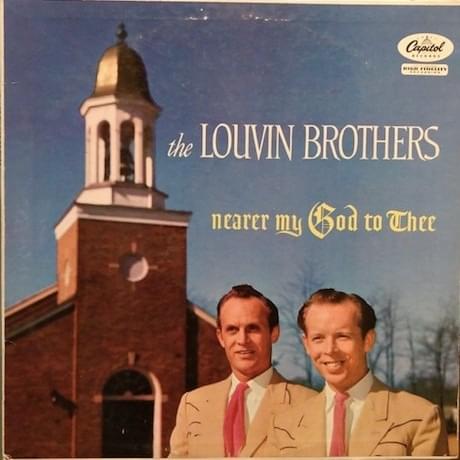
 View Artist