Song Meaning
The lyrics paint a stark picture of liberation from a confining past. The opening lines immediately establish a sense of disorientation, describing a "strange land" where "illusions look real" and "sad." This suggests a previous existence where perceived realities were deceptive and emotionally draining. The narrator was "caught in a trap," and more pointedly, "caught in yourself," implying an internal struggle or self-imposed limitation that defined their years.
The core tension lies in the impending transition from this state of being trapped to one of genuine freedom, even if that freedom initially involves pain. The repeated refrain, "Soon you'll be going down / Going down to cry / Soon you'll be looking up / Looking up to laugh," highlights this duality. It acknowledges that the path to authentic joy requires confronting sorrow, a necessary descent before an eventual ascent to laughter. This isn't a simple escape; it's a transformative process.
The craft here is in the stark, almost clinical descriptions of emotional states and the cyclical nature of the refrain. The contrast between "illusions look real" and the later "unique way you feel" marks a shift from external deception to internal truth. The world is presented as static – "It won't go forward / It won't go back" – emphasizing that the change must come from within the individual, not from external circumstances. This makes the final plea, "Please don't lose all your faith / When you make your mistakes," particularly poignant, as it anchors the hope for the future in the acceptance of imperfection.
Ultimately, the effectiveness of these lyrics stems from their unflinching portrayal of the difficult but necessary process of self-discovery. By juxtaposing the "strange land" of illusion with the "places you don't know" of genuine experience, and by framing emotional release as a prerequisite for laughter, the writing resonates with the universal struggle of breaking free. The acknowledgment that mistakes are part of this journey offers a grounded, humanizing note to the otherwise stark pronouncements.
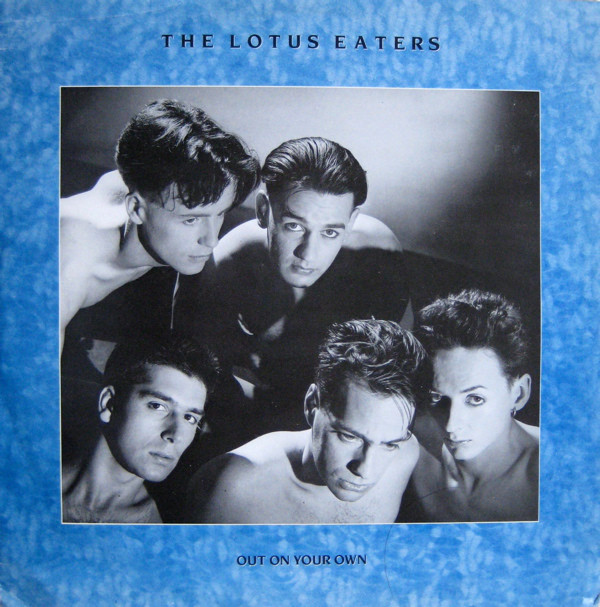
 View Artist