Song Meaning
The lyrics paint a stark picture of a final, perhaps doomed, stand. The ticking clock and wolves at the door immediately establish a sense of encroaching danger and finality. The narrator's calm demeanor, asking for a cigarette and dismissing screams, suggests a practiced resignation or a desperate attempt at control in the face of overwhelming odds. This isn't just an ending; it's framed as "our finest hour," a paradoxical declaration that hints at a profound, almost spiritual, conviction driving them through the chaos.
The central tension lies in the juxtaposition of impending defeat and unwavering belief in a future triumph. References to historical figures like Cleopatra and Caesar, and a mention of "Josephine" and "Colonel," evoke a sense of grand, albeit failed, ambitions and romanticized struggle. The line "We lost this battle, we won the war" encapsulates this defiant optimism, suggesting that the immediate outcome is less important than the larger, perhaps ideological, victory they believe is inevitable.
The most striking element is the repeated invocation of "Thy will be done" and "The Will be done," shifting from a potentially divine decree to a personal declaration of "My kingdom's come." This progression suggests a transformation from passive acceptance to active self-determination, even in the face of annihilation. The narrator seems to be asserting their own destiny, their "kingdom" arriving not through conventional means but through this ultimate act of defiance and sacrifice.
Ultimately, the lyrics resonate because they tap into a deep-seated human desire for meaning in the face of oblivion. The grand historical allusions and the fervent, almost religious, pronouncements elevate a desperate situation into something epic. It's the raw, defiant spirit, the refusal to surrender hope even when confronted with the "end," that makes this a powerful, albeit bleak, anthem of conviction.
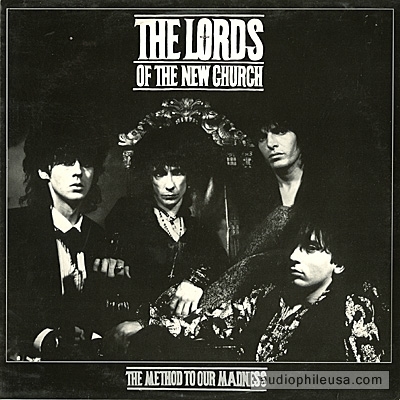
 View Artist