Song Meaning
The lyrics paint a stark picture of sudden, devastating loss. The narrator frantically searches for someone who is no longer present, a realization that triggers a primal mix of anger and fear. The overwhelming silence in response to their cries underscores the finality of the absence, establishing a tone of profound shock and disbelief from the outset. This initial search and the subsequent unanswered calls set the stage for the central theme of utter devastation.
The core of the song lies in the narrator's inability to accept the reality of the departure. The repeated phrase "I never believed it could happen" acts as a desperate mantra against an unthinkable truth. This isn't just sadness; it's a profound shock that the person is truly gone, a scenario the narrator had seemingly shielded themselves from ever experiencing. The addition of "to me" in the chorus personalizes this disbelief, highlighting a sense of unique vulnerability and the feeling that such a tragedy was somehow outside the realm of personal possibility.
The writing crafts a vivid internal landscape of horror and denial. The narrator grapples with the idea that "heaven helps the wicked," suggesting a twisted sense of cosmic unfairness or perhaps a desperate search for order in chaos. The imagery of turning to catch a "dying shadow" and a "faded image" powerfully conveys the lingering presence of the departed, even as the narrator acknowledges the reality of their absence. The extreme, surreal act of "slash[ing] my eyes out" in a "Bunuel mood" is a striking metaphor for the narrator's desperate attempt to erase the memory or to stop seeing the lost person's image, even in dreams, emphasizing the depth of their torment and refusal to accept the loss.
This lyrical construction is effective because it grounds abstract emotional pain in concrete, albeit surreal, imagery and a compelling, repetitive refrain. The contrast between the frantic search and the crushing silence, the internal struggle against a perceived cosmic injustice, and the extreme visual metaphors all combine to create a visceral sense of shock and enduring grief. The song doesn't just state loss; it embodies the disorienting, almost hallucinatory state of someone whose world has been irrevocably shattered and who cannot comprehend how it happened to them.
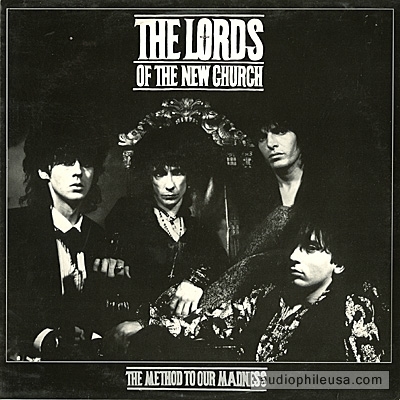
 View Artist