Song Meaning
The narrator's initial dismissal of the relationship as a mere convenience, stating "I never said I loved ya" and viewing the other person as "just one of my chairs," quickly unravels. This cold opening is immediately undercut by a desperate plea, "Oh, why did you leave me?" revealing a profound dependency masked by a facade of indifference. The core tension lies in this stark contrast between the narrator's claimed detachment and their undeniable need for the departed individual, a need that seems to have been unrecognized or unacknowledged until the very end.
The lyrics paint a picture of a deeply dysfunctional dynamic, where the narrator admits to making the other person "feel so insecure" despite their "need to feel secure." This self-awareness, however, is framed not as a cause for apology but as an excuse, attributed to "bad timing." The narrator's inability to express affection or vulnerability is highlighted by phrases like "I don't share privacy" and "Can't show you, can't tell you," suggesting a fundamental barrier to genuine connection that predates the departure.
The most jarring element is the shift from the narrator's self-centered narrative to the chillingly intimate details of the other person's suffering. The "blood ring in my bath" and "used my last blade on your veins" are stark, visceral images that imply the narrator was aware of, or at least complicit in, the other person's despair, yet remained emotionally distant. This juxtaposition of the narrator's perceived inconvenience with the other's profound pain underscores the narrator's self-absorption and the tragic failure of communication that defined their relationship.
Ultimately, the effectiveness of these lyrics stems from their brutal honesty about emotional immaturity and the devastating consequences of emotional neglect. The repeated, almost frantic, questioning of "Why did you leave me?" coupled with the final, resigned admission, "Can never be able to say that always loved ya," captures a raw, belated realization of loss. The narrator is left grappling not with grief, but with the void left by someone they failed to truly see, trapped by "bad timing" and their own inability to offer the security the other person desperately needed.
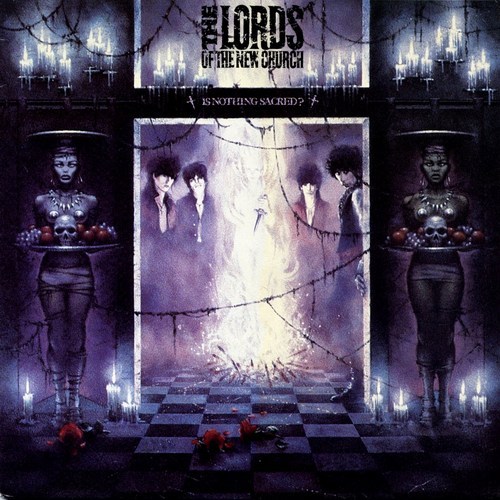
 View Artist