Song Meaning
The lyrics paint a picture of a complicated, perhaps doomed, relationship where one person feels trapped by their own nature. The narrator questions a "student" who dreams of them alongside an "acre of trees," suggesting a desire for a stable, pastoral life that the narrator cannot provide. The narrator admits, "It was agreed, I came to burn leaves," framing their inherent destructive or transient nature as a known quantity, a role they can't escape from, explicitly stating, "A plowman I'll never grow into."
The central tension arises from the narrator's conflicting desires and their perceived inability to commit to a conventional relationship. They express profound longing, "My arms miss you / My hands miss you," yet simultaneously push the other person away. The plea, "Say it: I wish we were naked / And I wish that I could take it / When you turn on me," reveals a masochistic desire to endure the inevitable pain of this connection, acknowledging the partner's potential to hurt them.
A striking element is the narrator's fear of genuine intimacy and commitment, particularly the phrase "don't say you're / Falling in love." They actively discourage deep listening or patient waiting, fearing their words will be "twisted." This suggests a self-sabotaging behavior, where the narrator believes their true self, like "rain," is uncontrollable and will ultimately be felt but not truly possessed, leading to inevitable forgetfulness.
This song resonates because it captures the painful awareness of one's own limitations within a relationship. The narrator's self-deprecating honesty about being a "plowman" they'll never become and their fear of love's intensity creates a poignant, almost tragic, portrait. The imagery of uncontrollable "rain" and the stark warning against falling in love highlight the deep-seated belief that their presence, however craved, will ultimately lead to sorrow, making the connection feel like a beautiful, yet inevitable, "ultimatum."
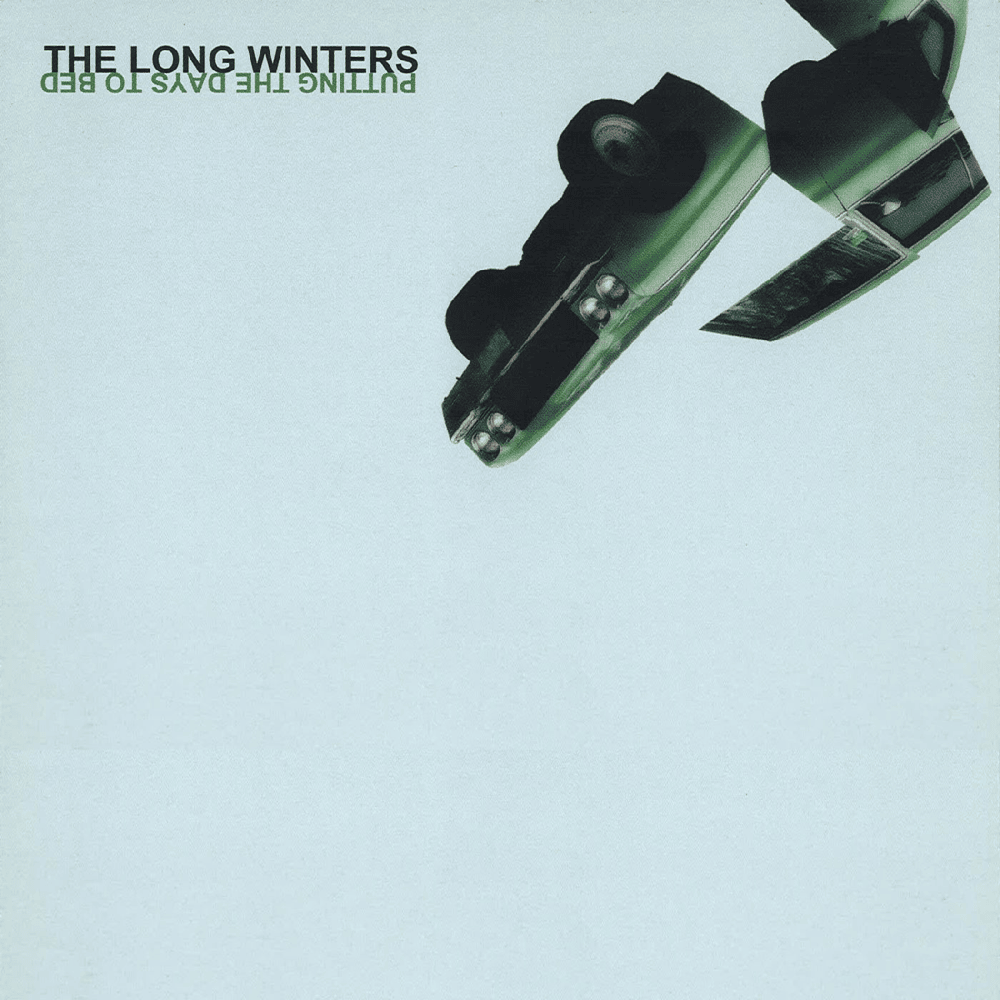
 View Artist